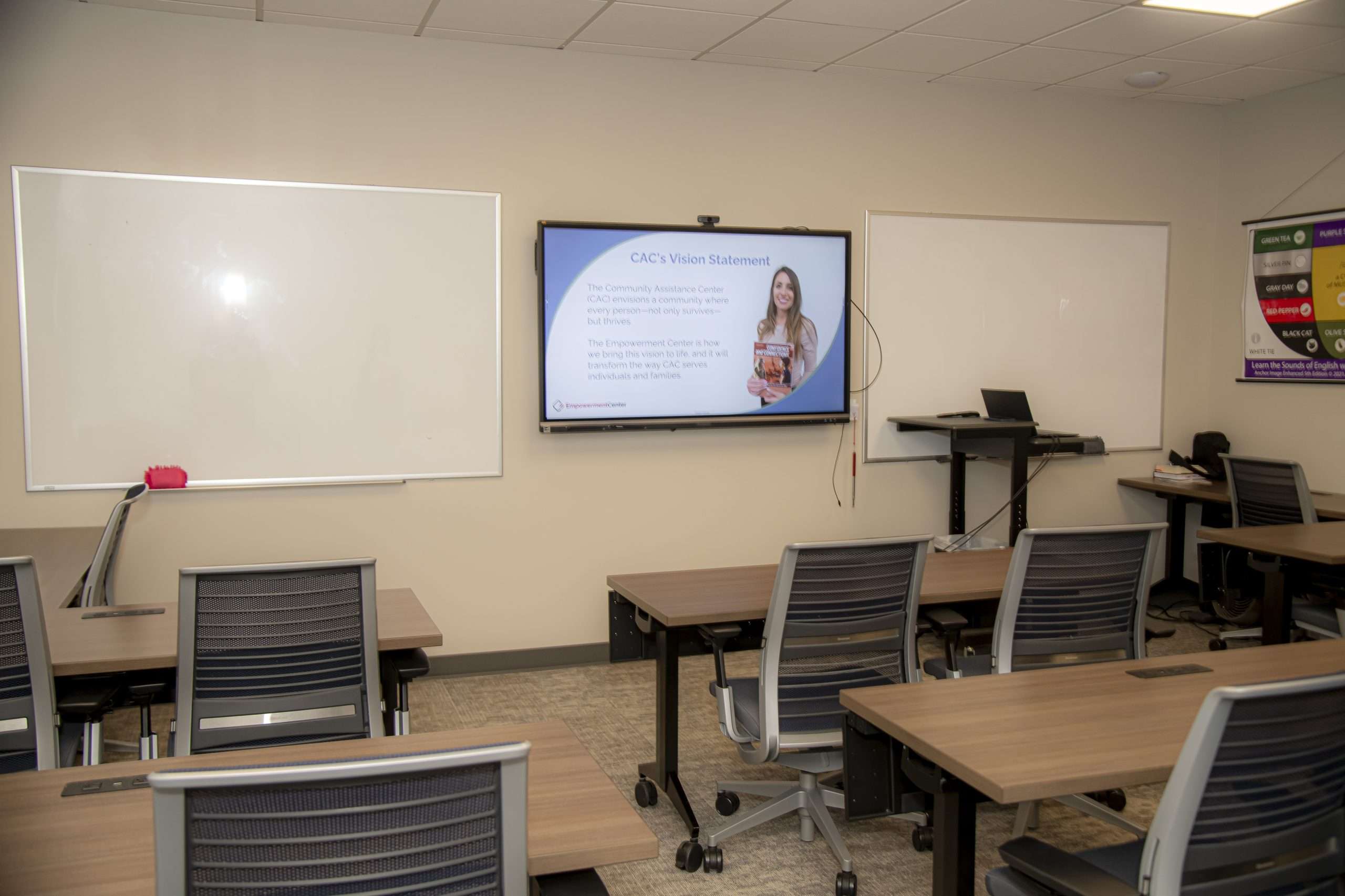
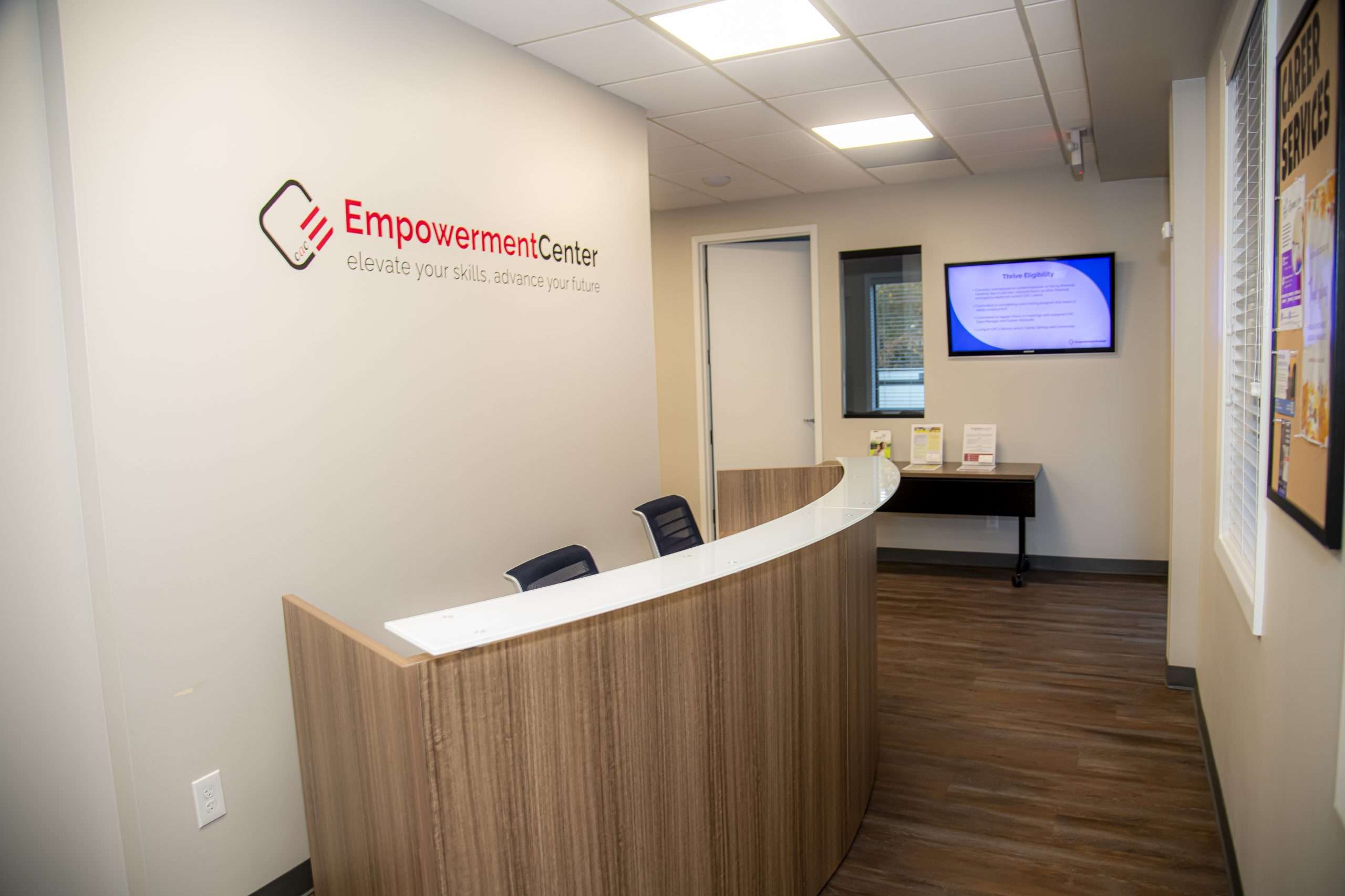
| Sandy Springs, GA – The Community Assistance Center (CAC) is proud to announce the opening of its new Empowerment Center, a dynamic community hub that expands its free adult education and career services, and introduces new workforce development programs. These services will help clients and community members gain skills needed to secure better-paying jobs and move more families toward long-term financial stability and independence.
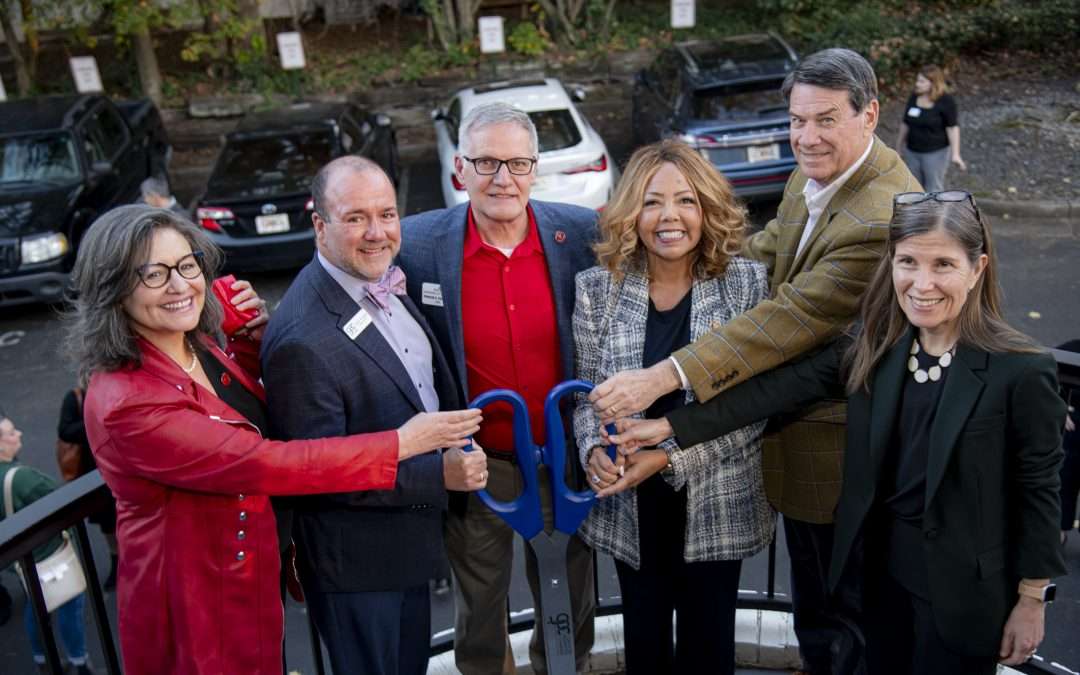
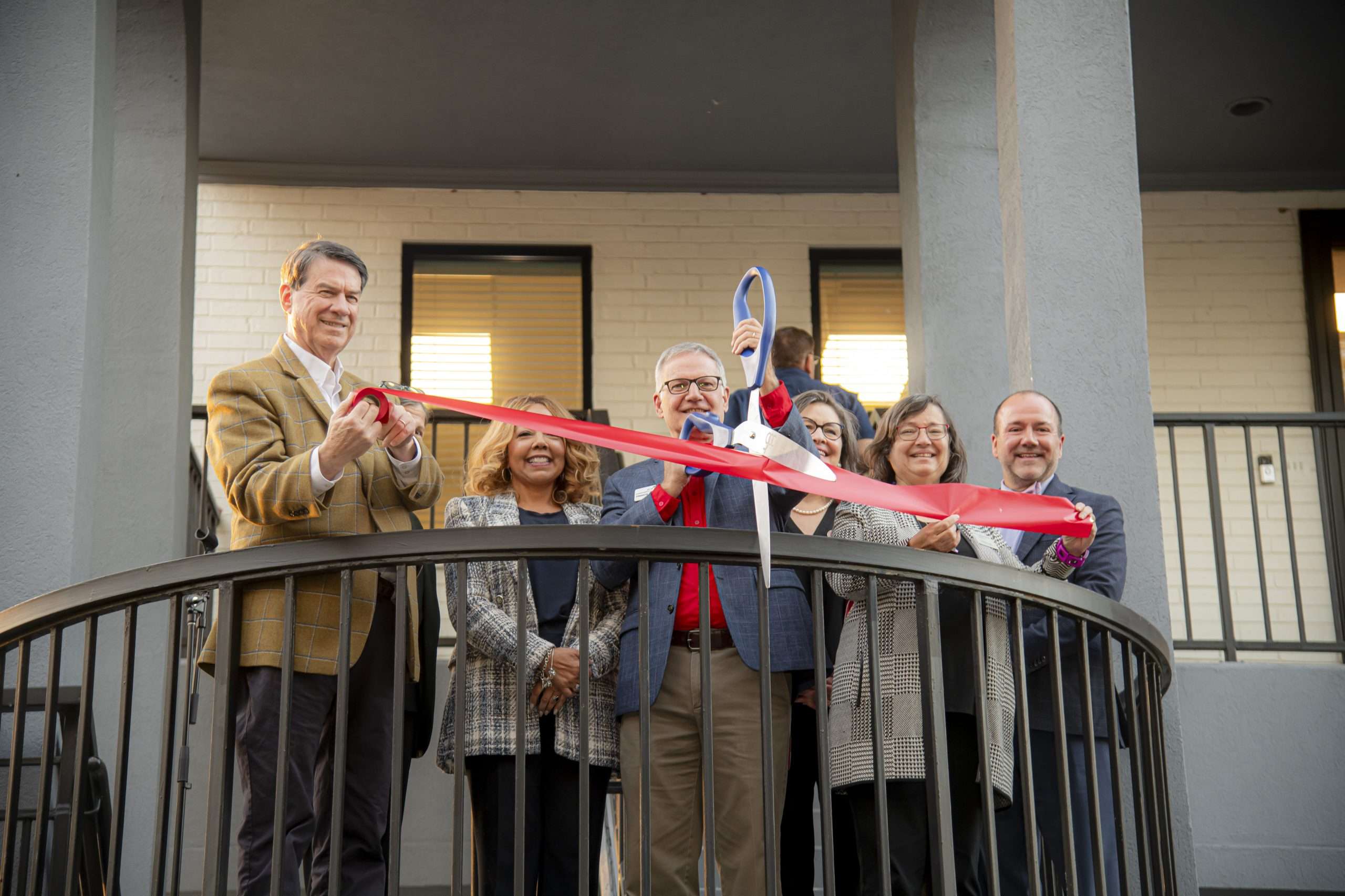
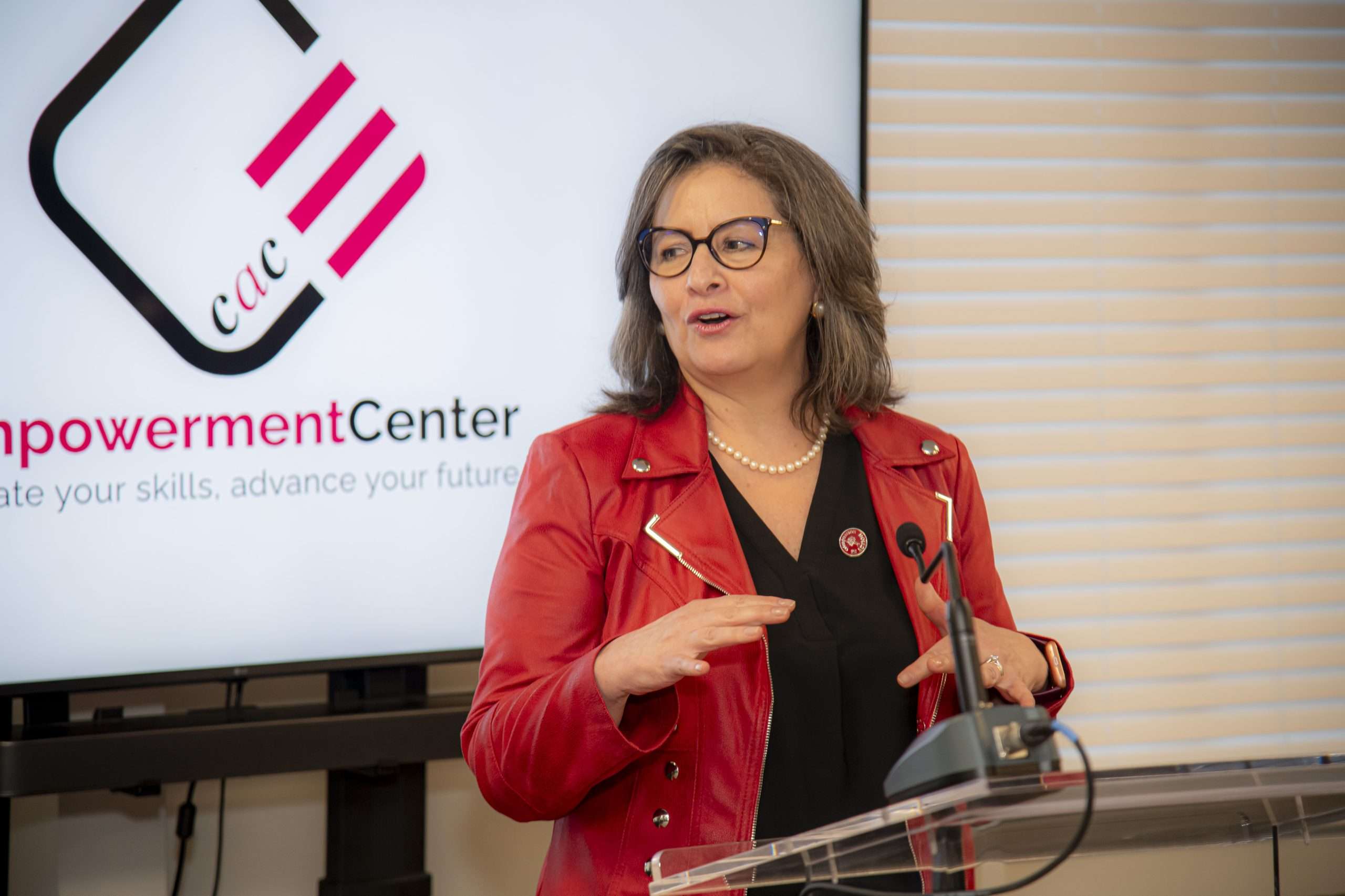
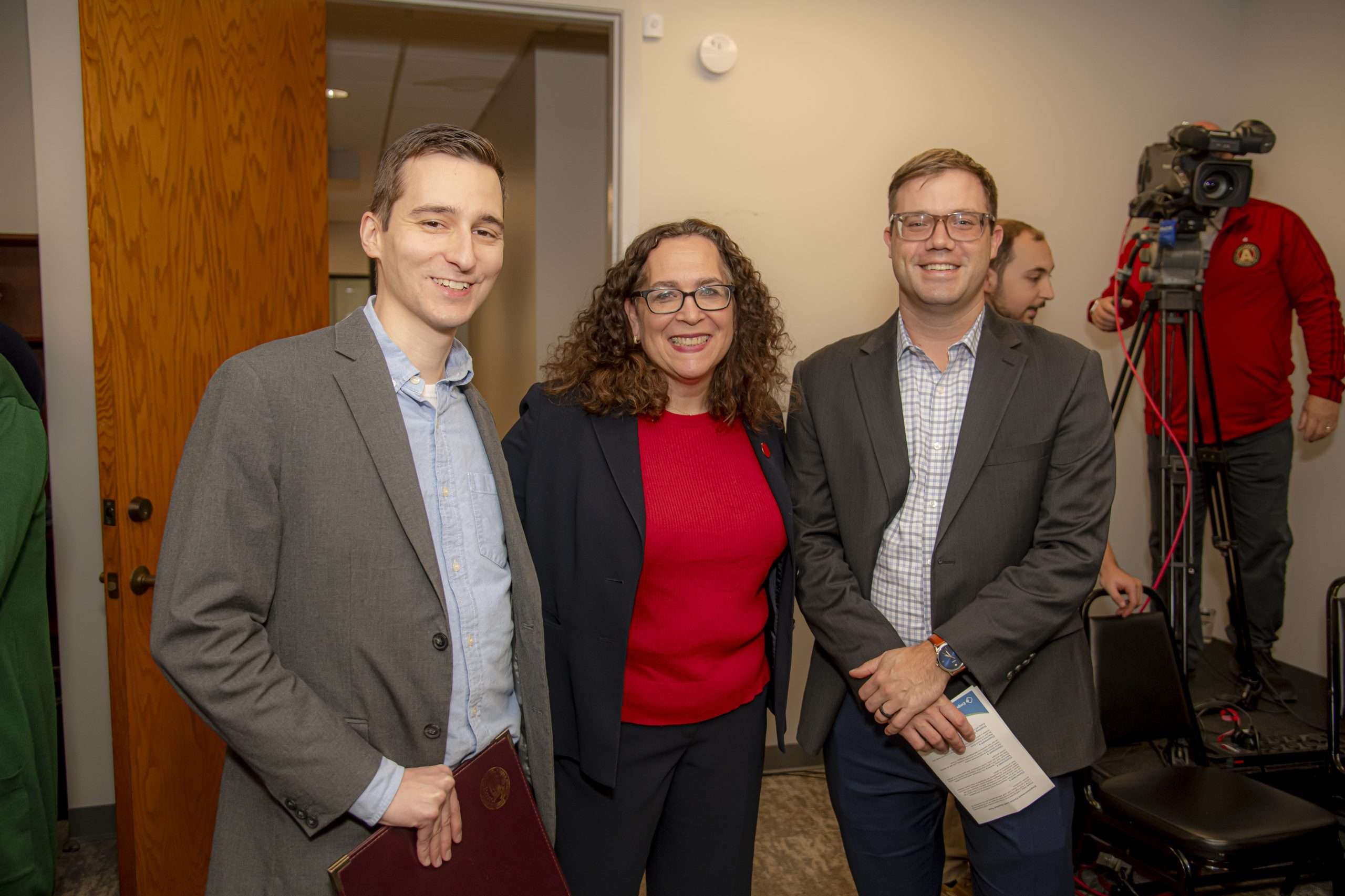
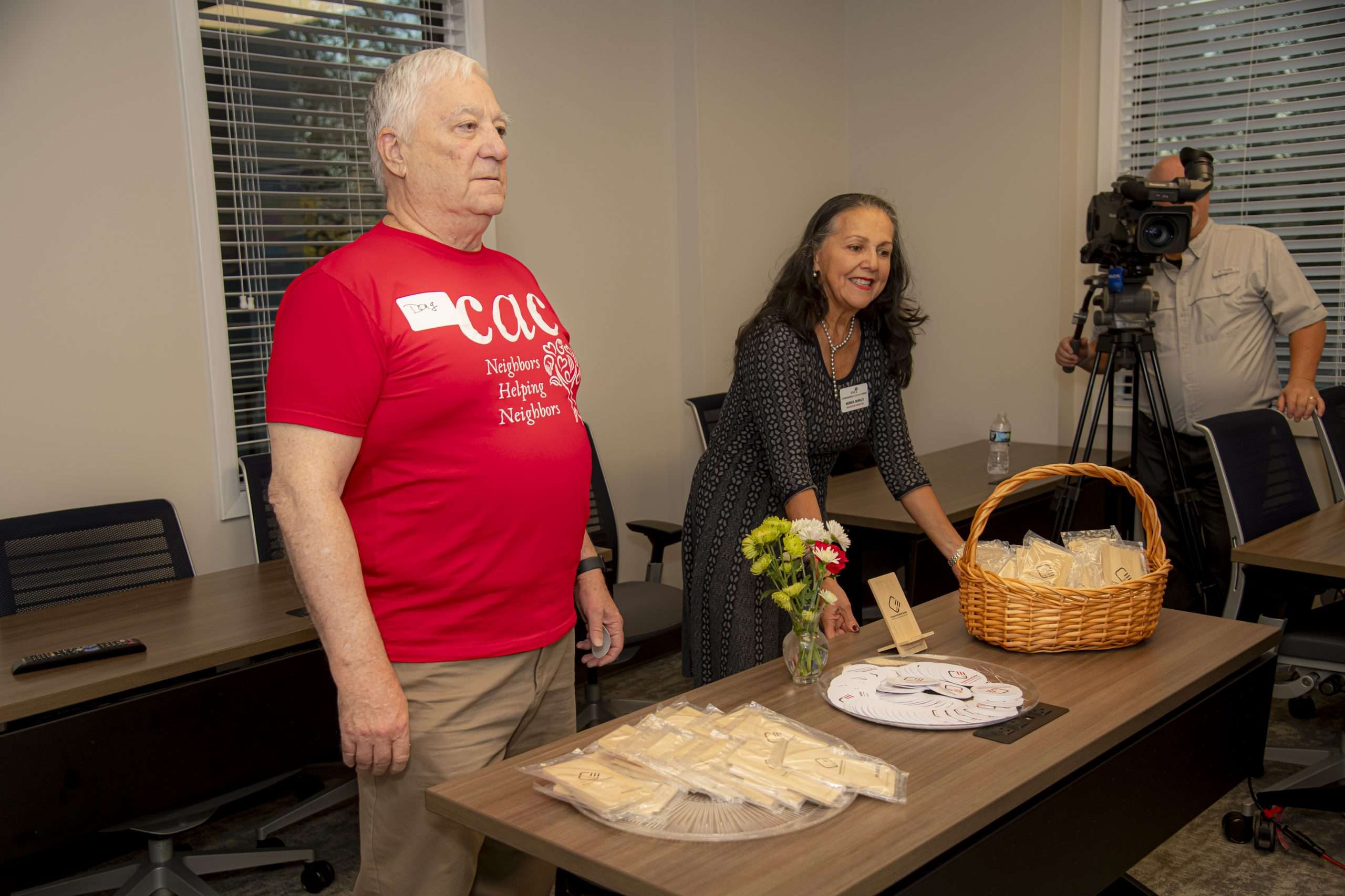
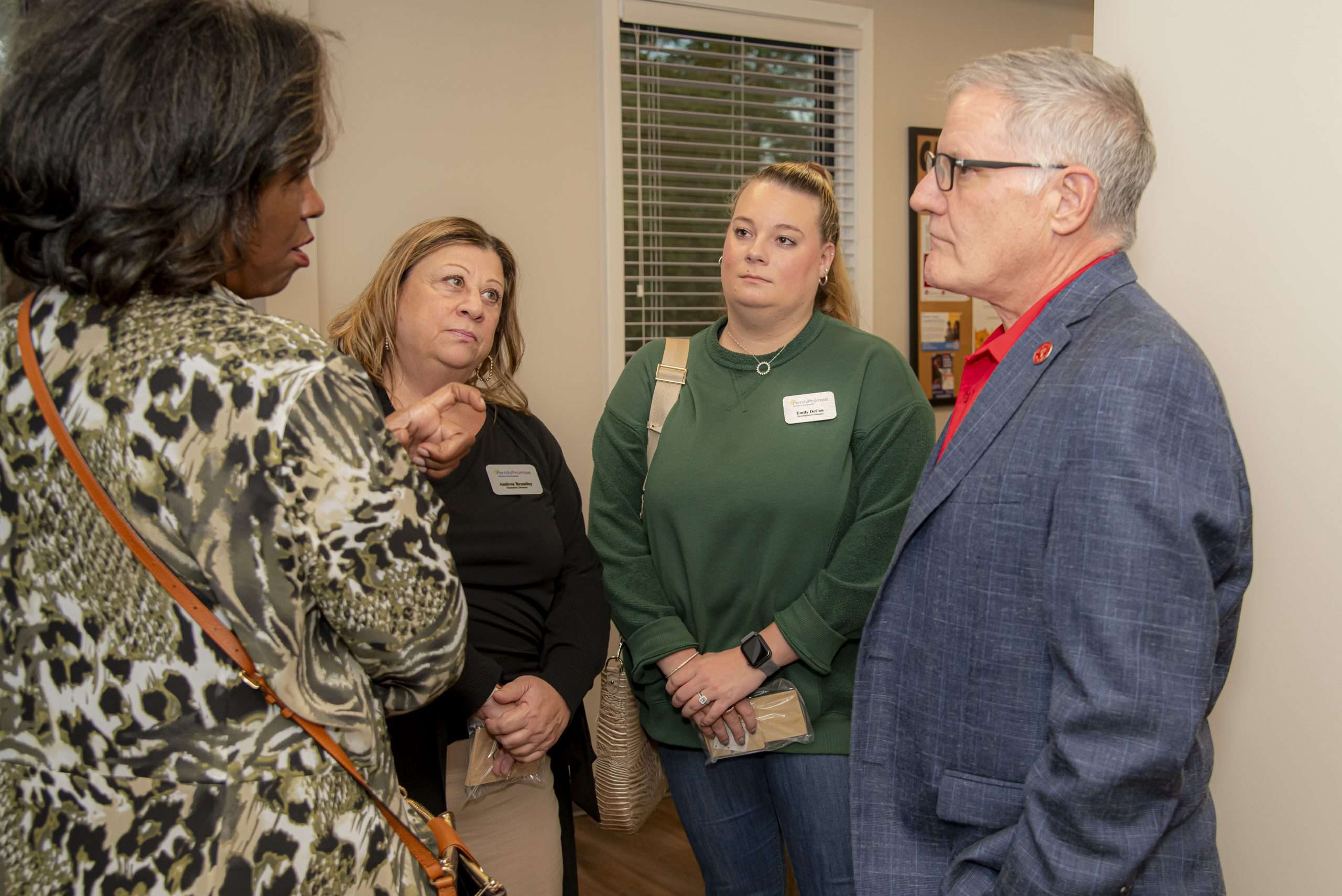
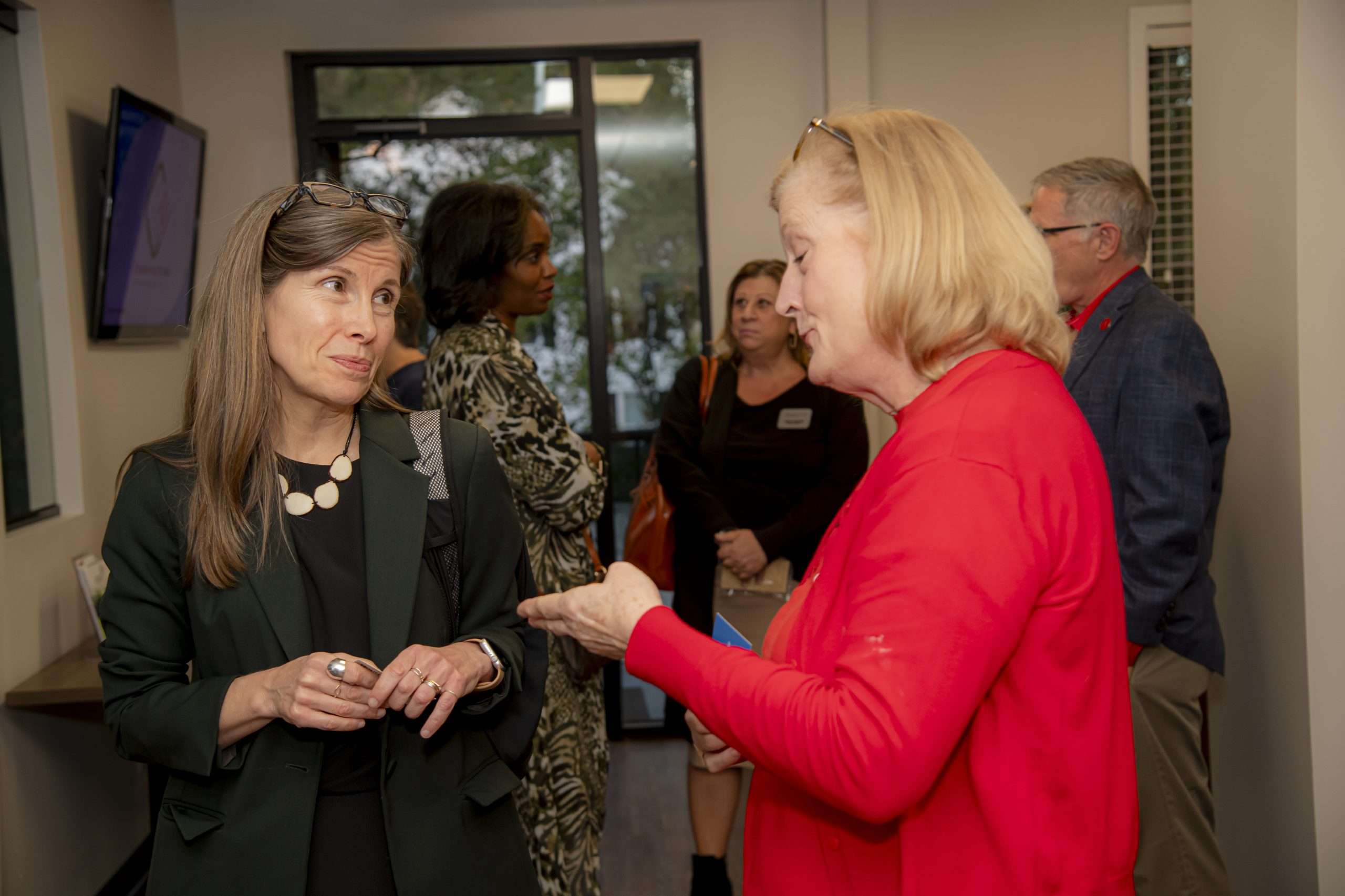
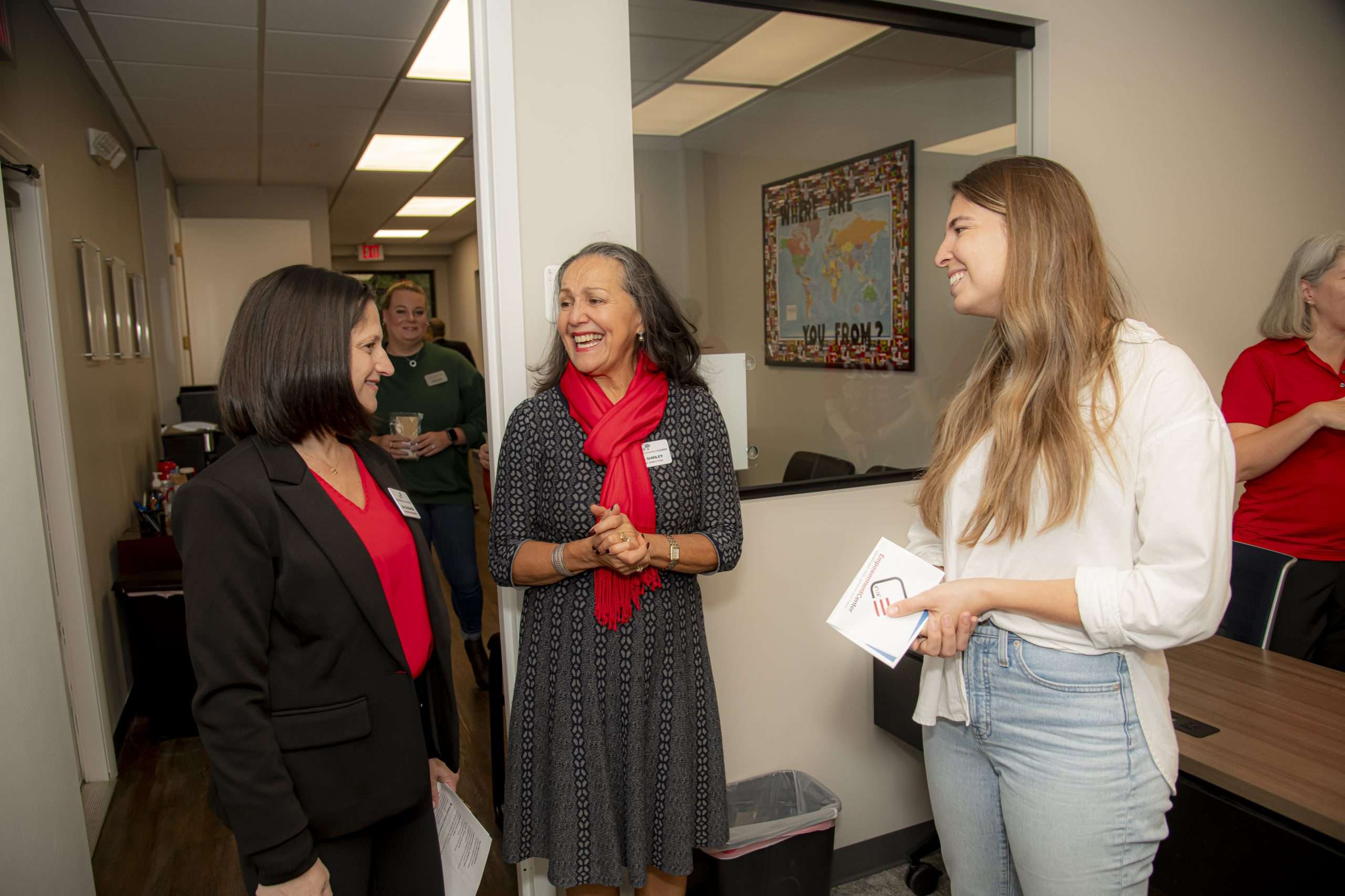
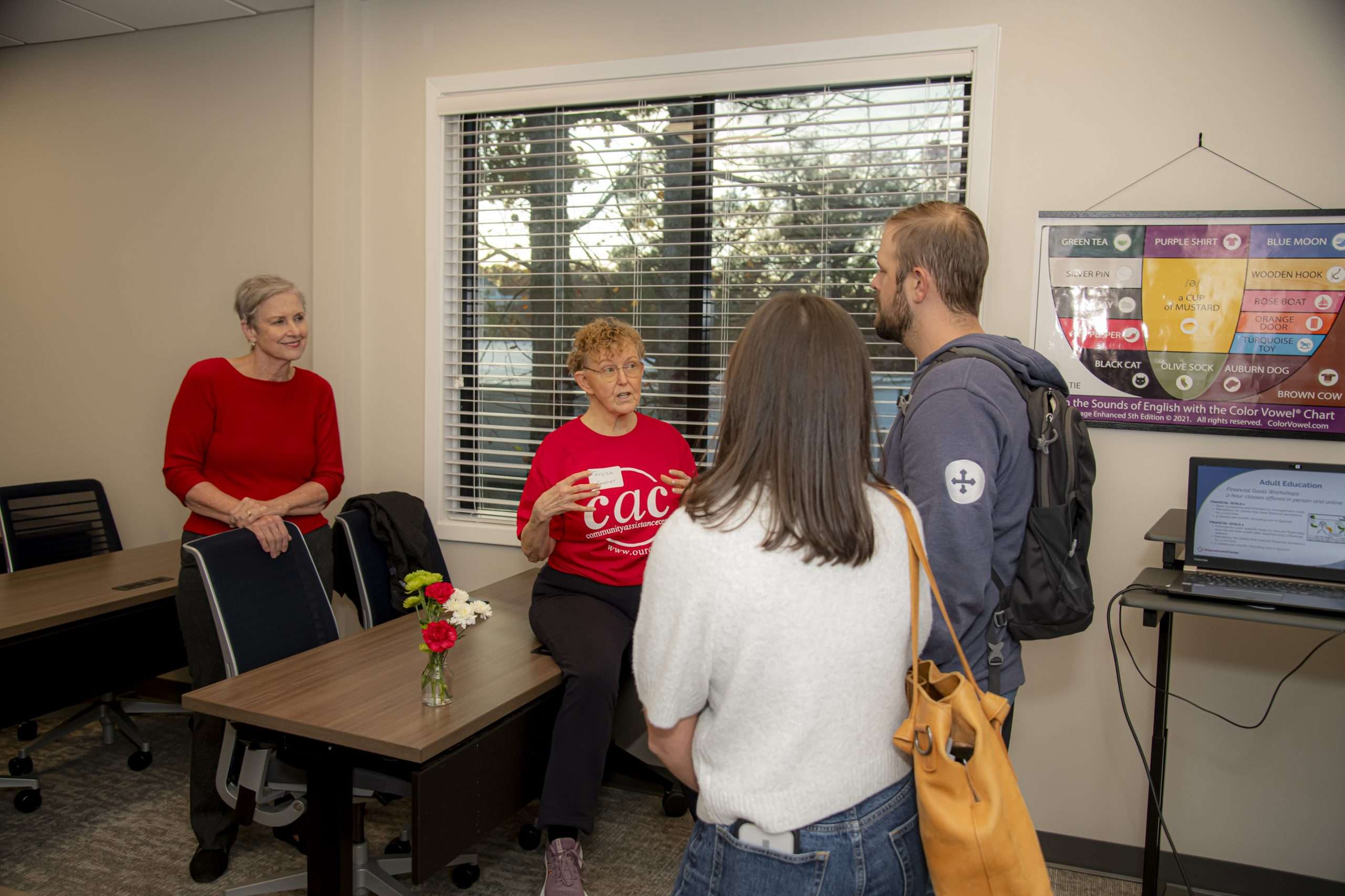
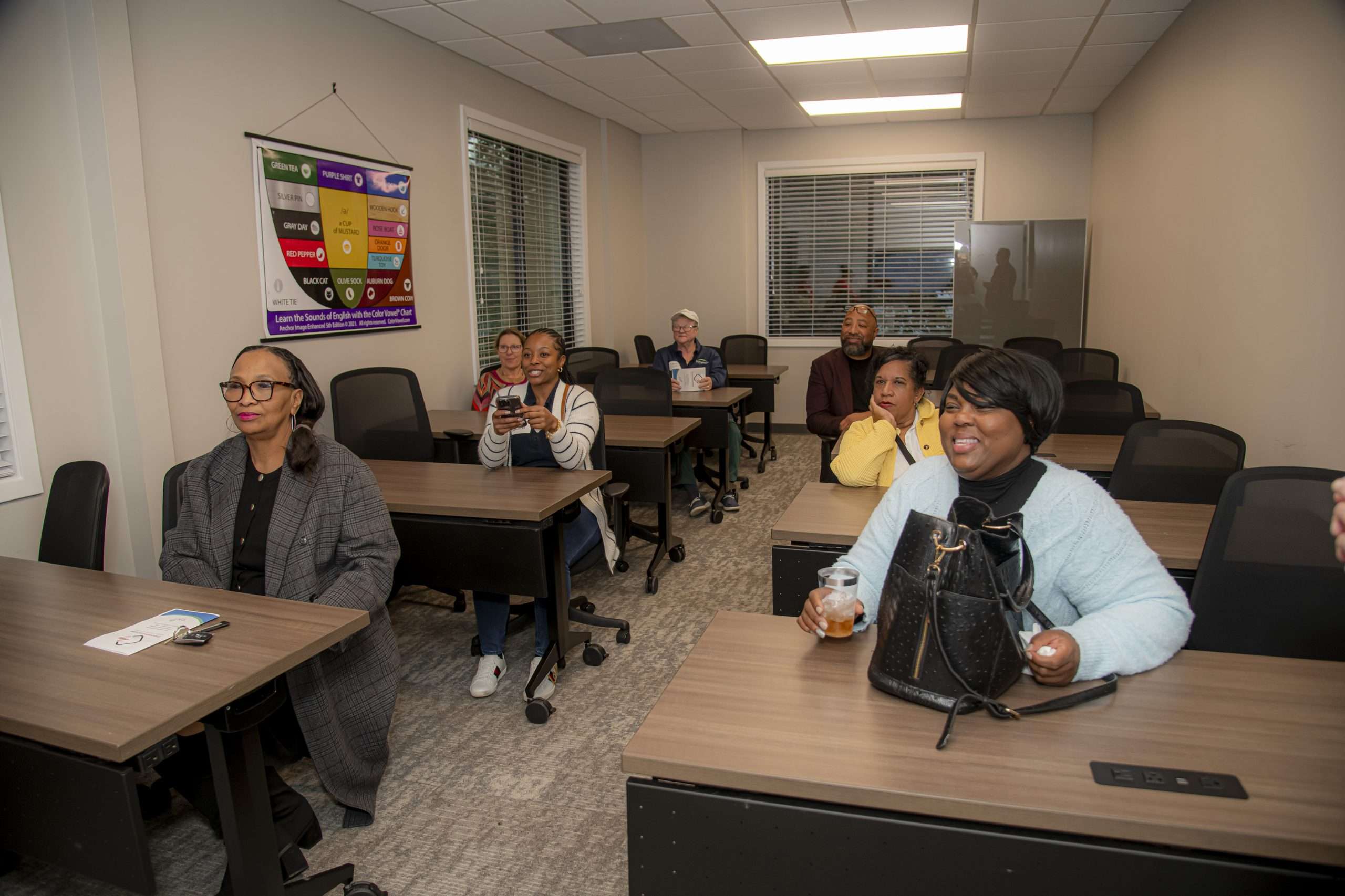
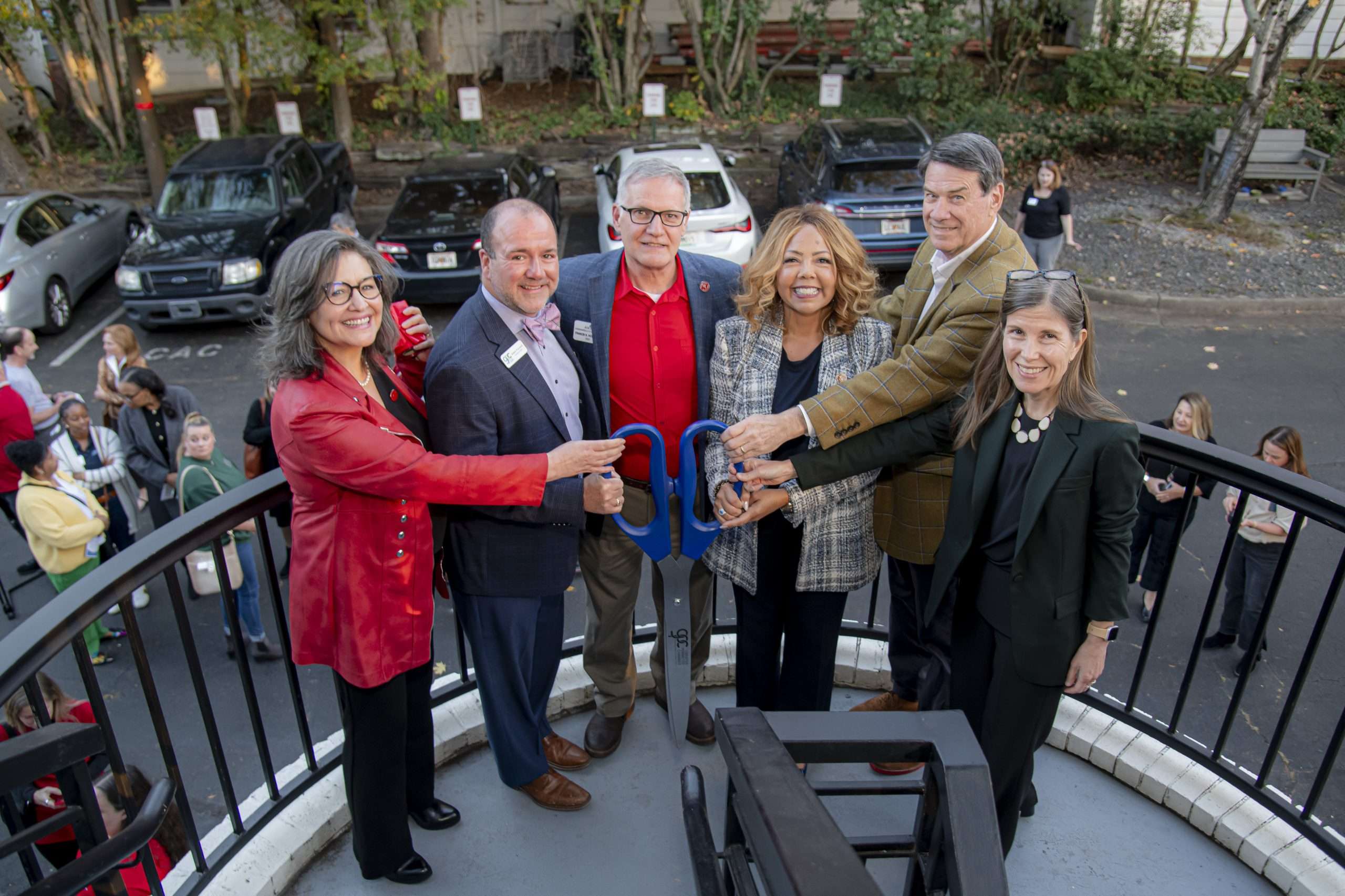
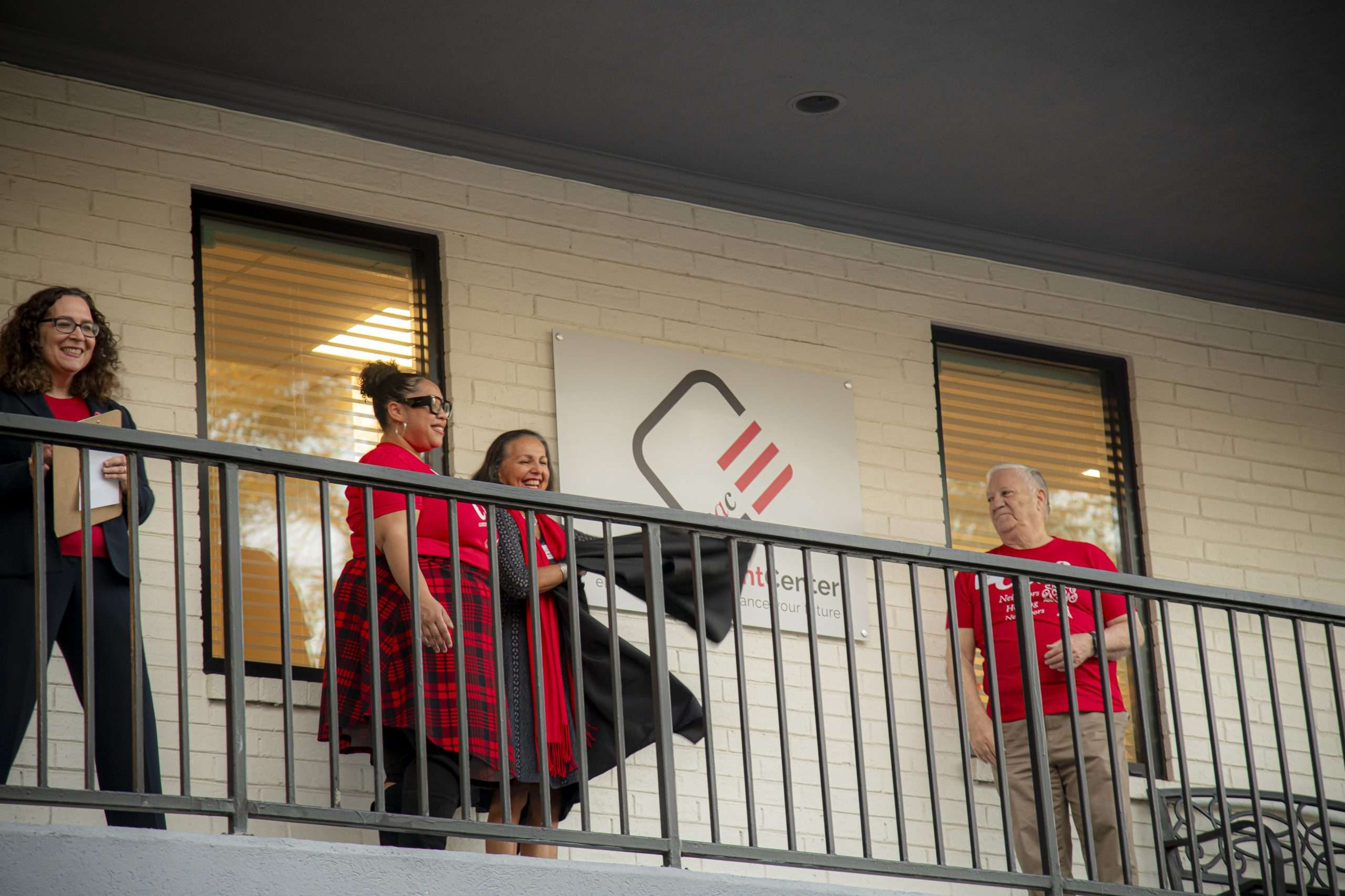
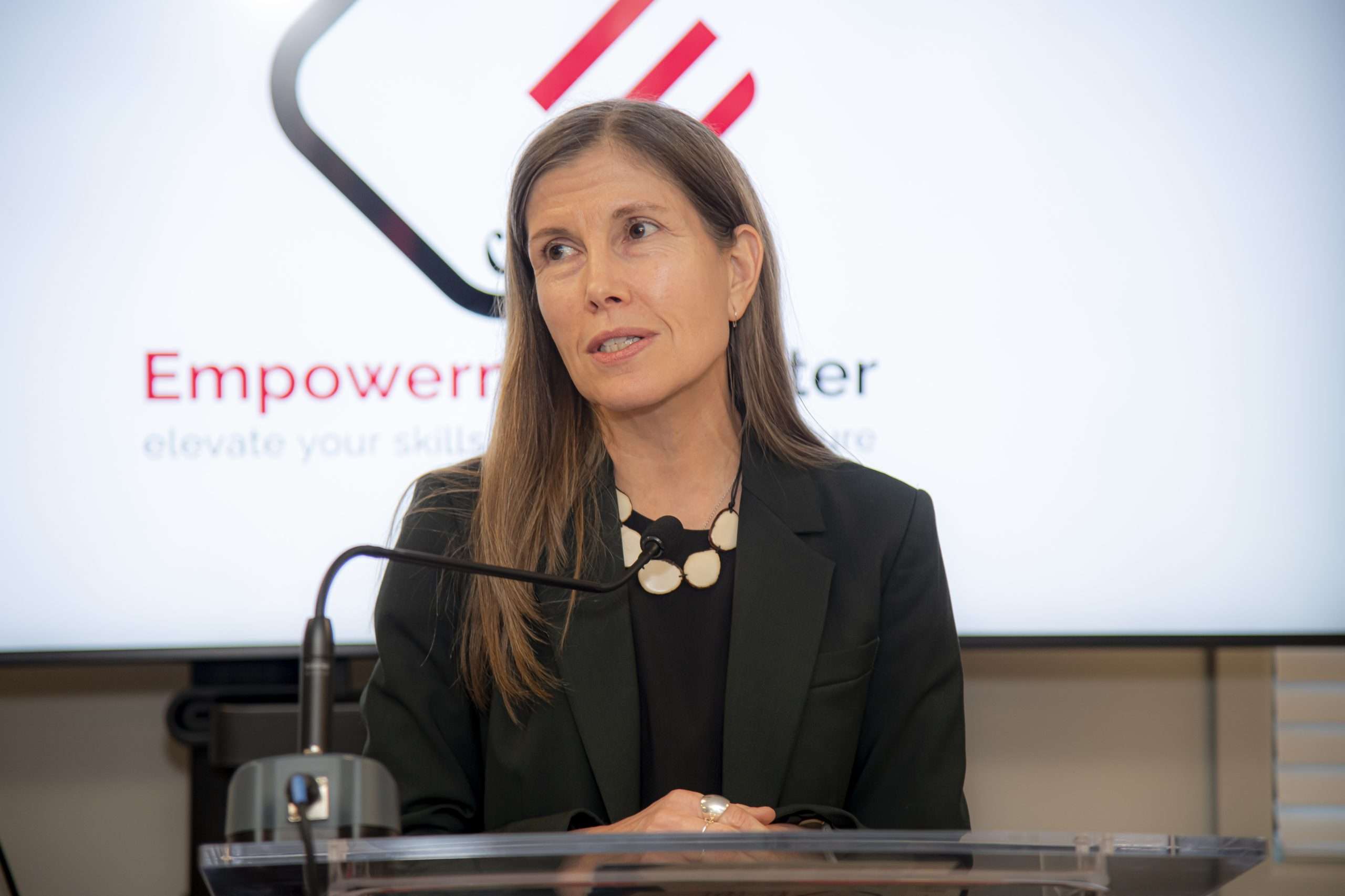
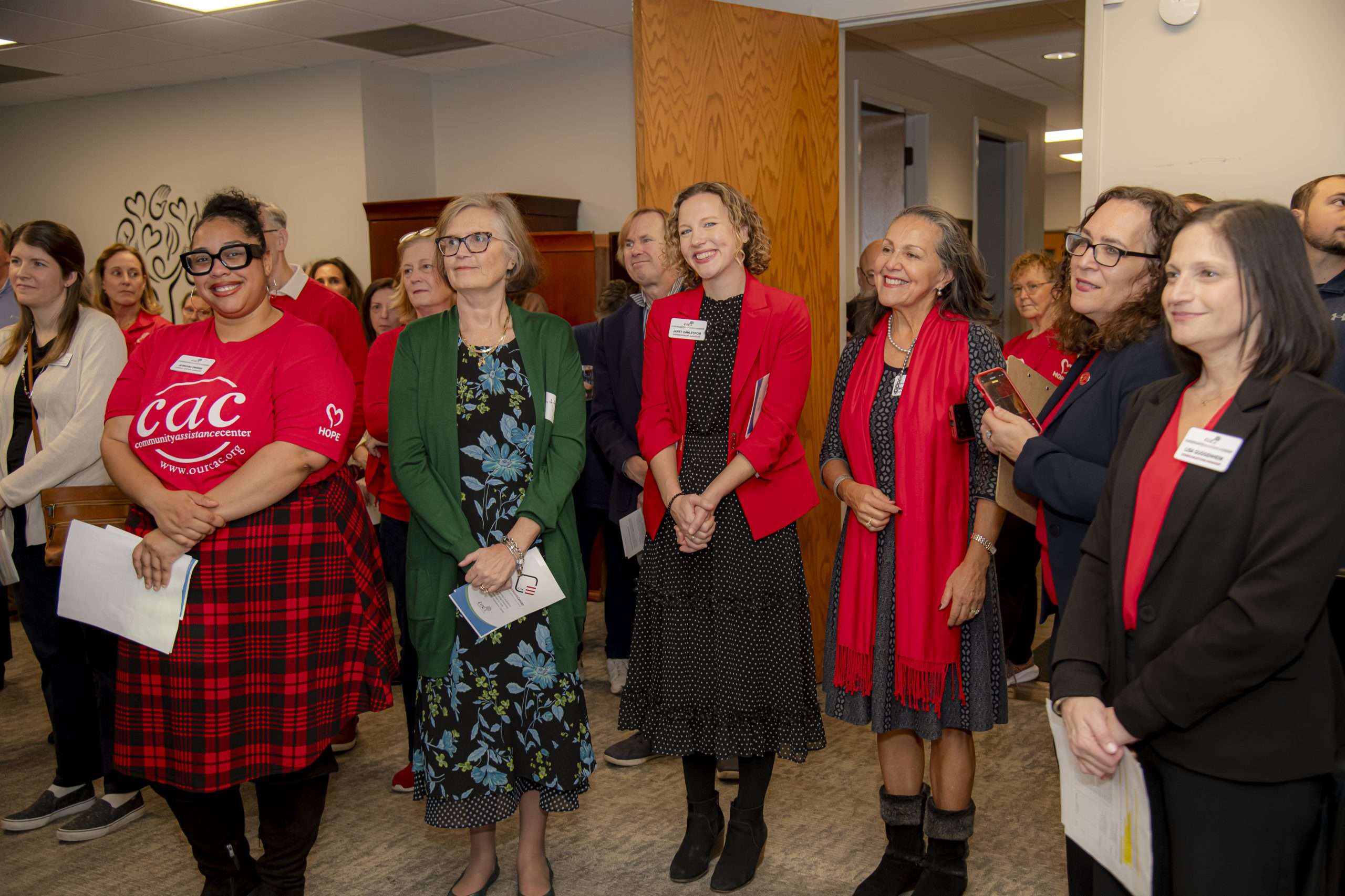
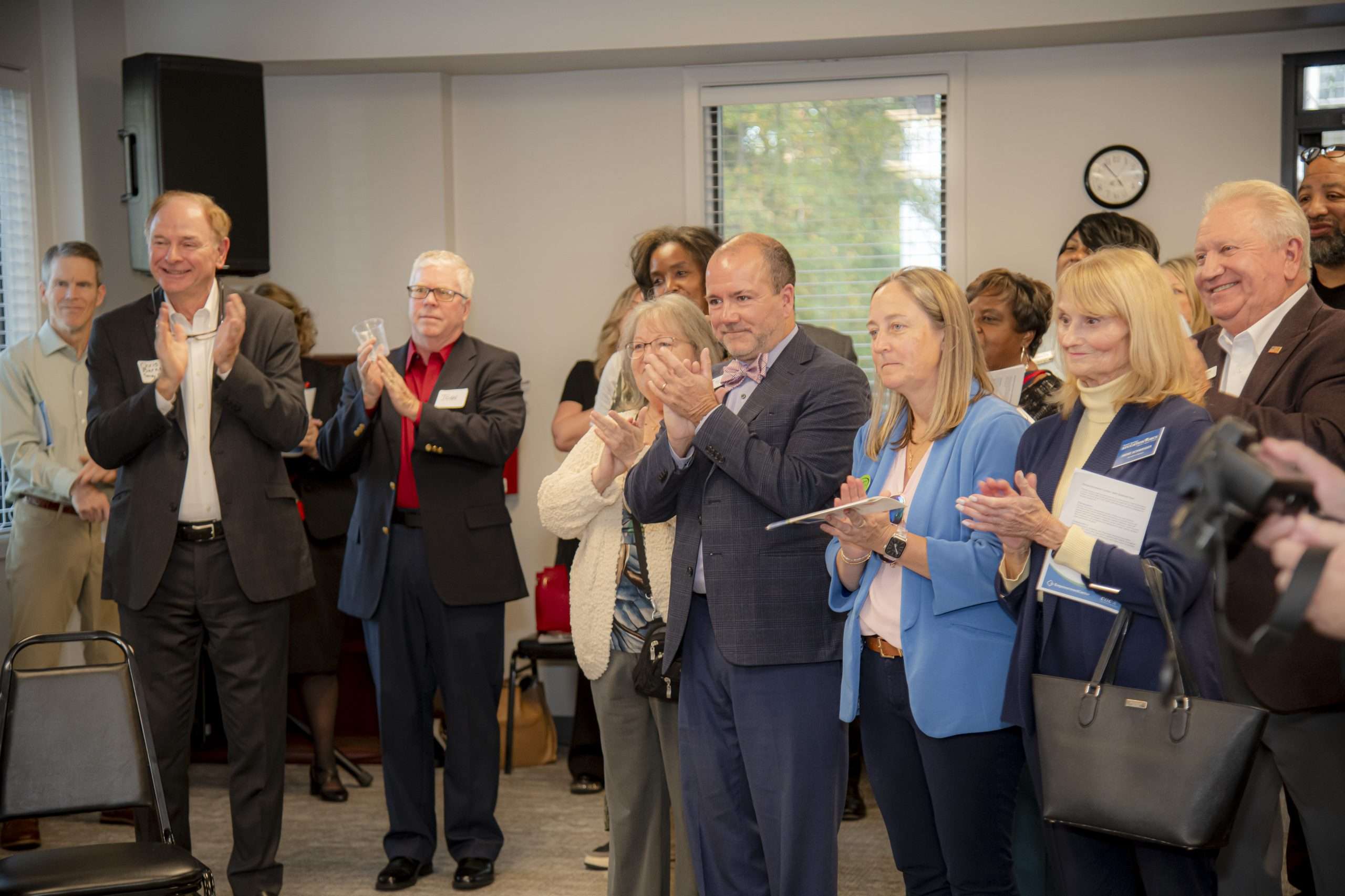
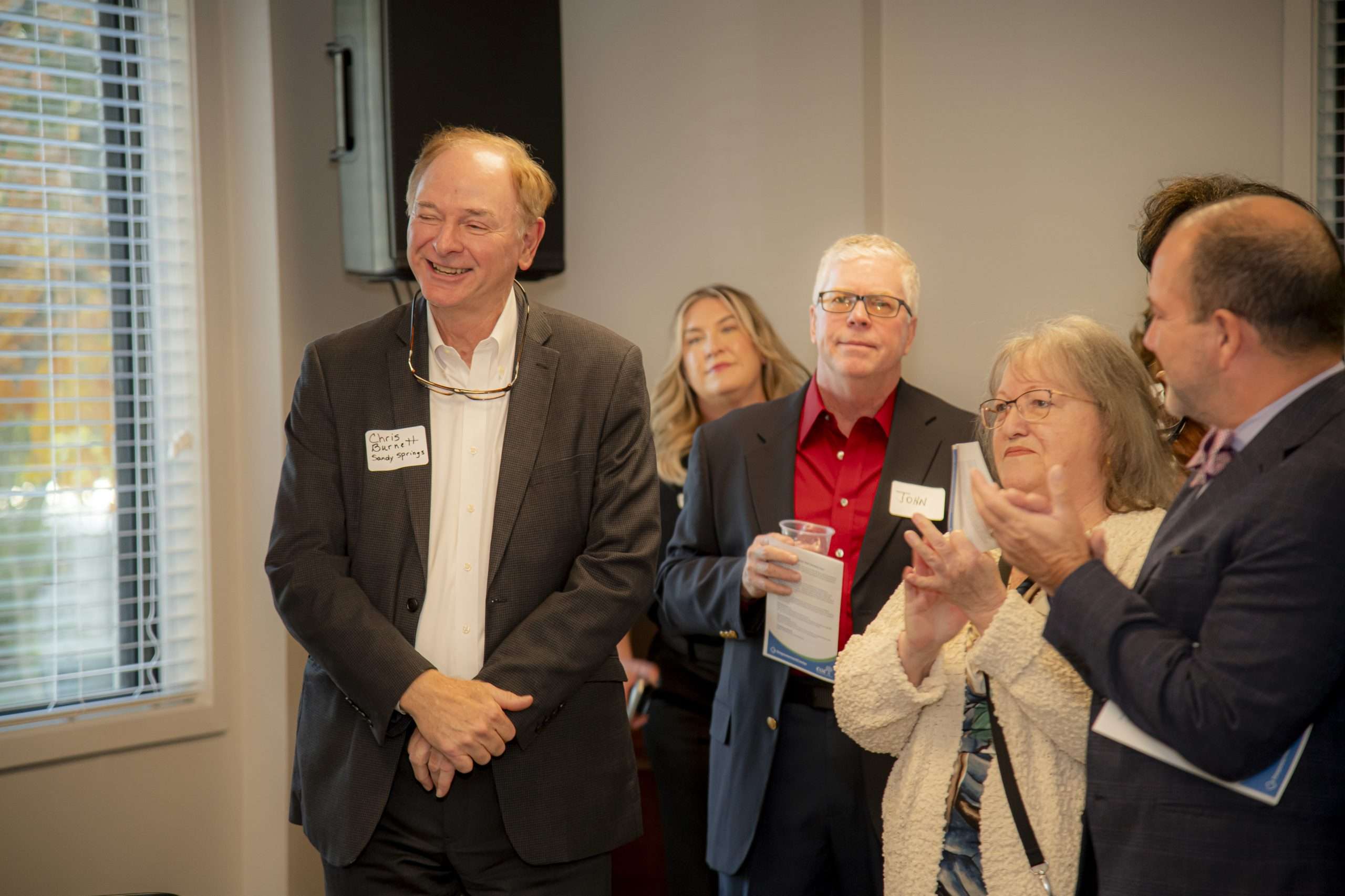
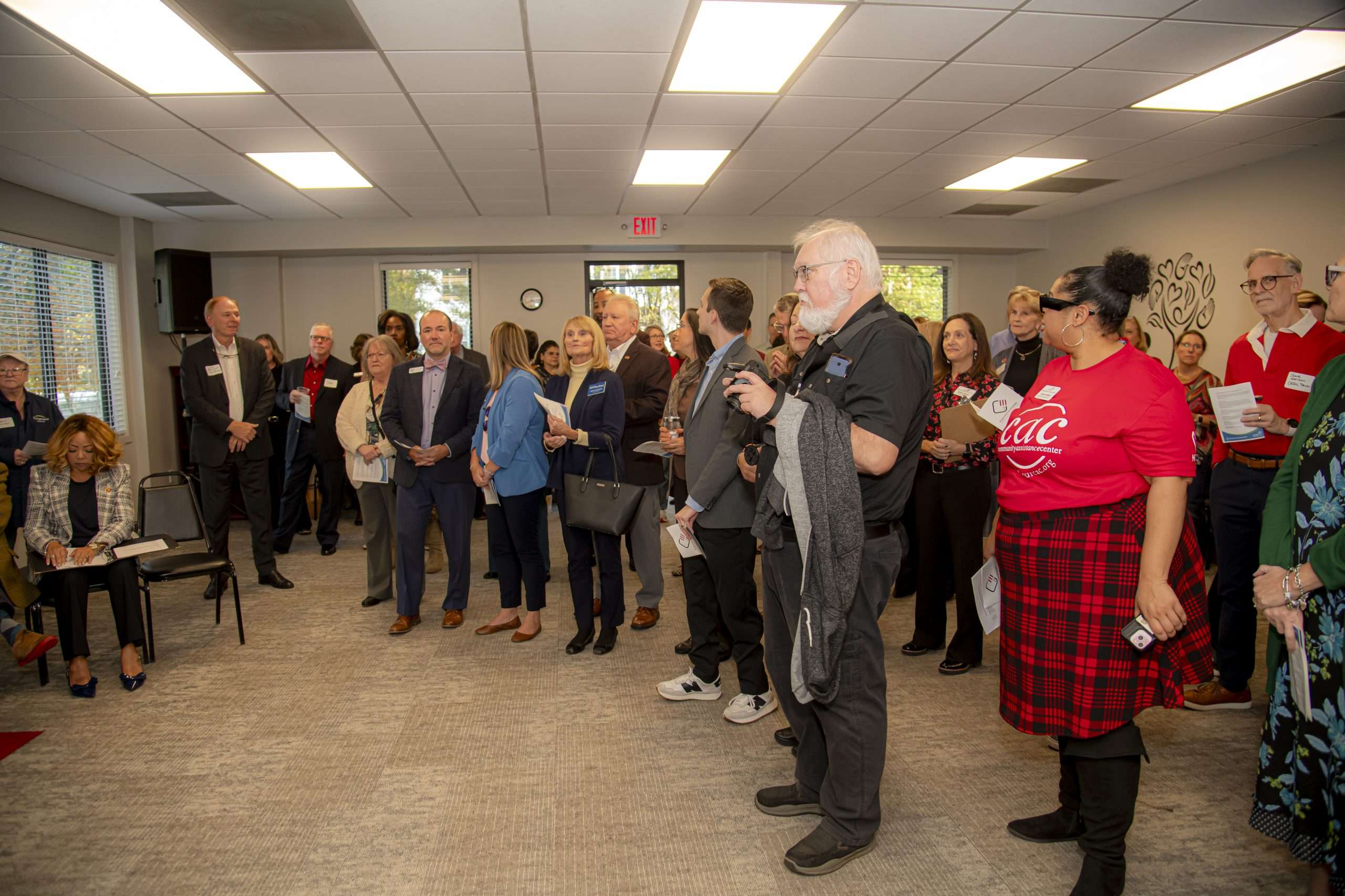
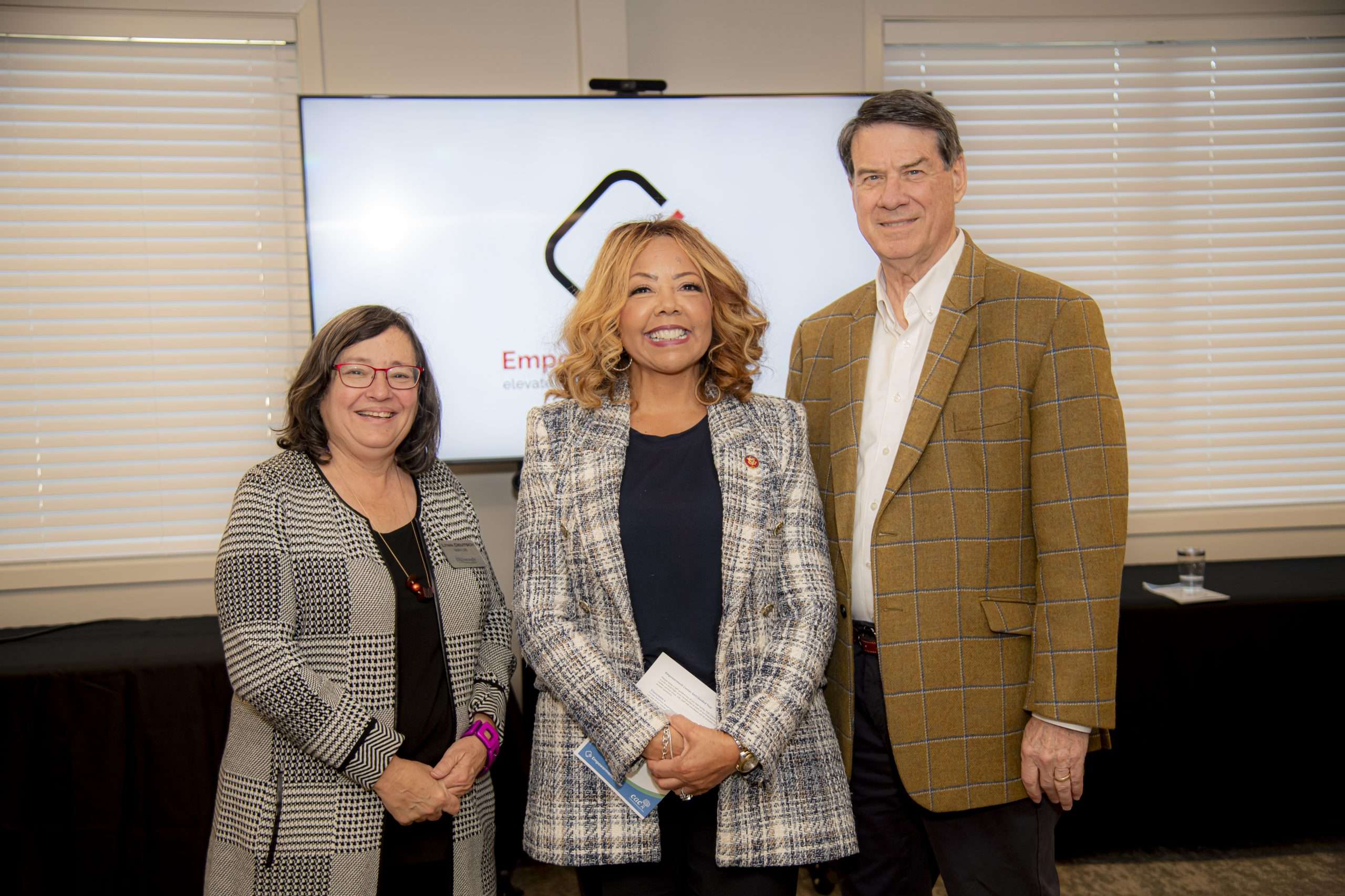
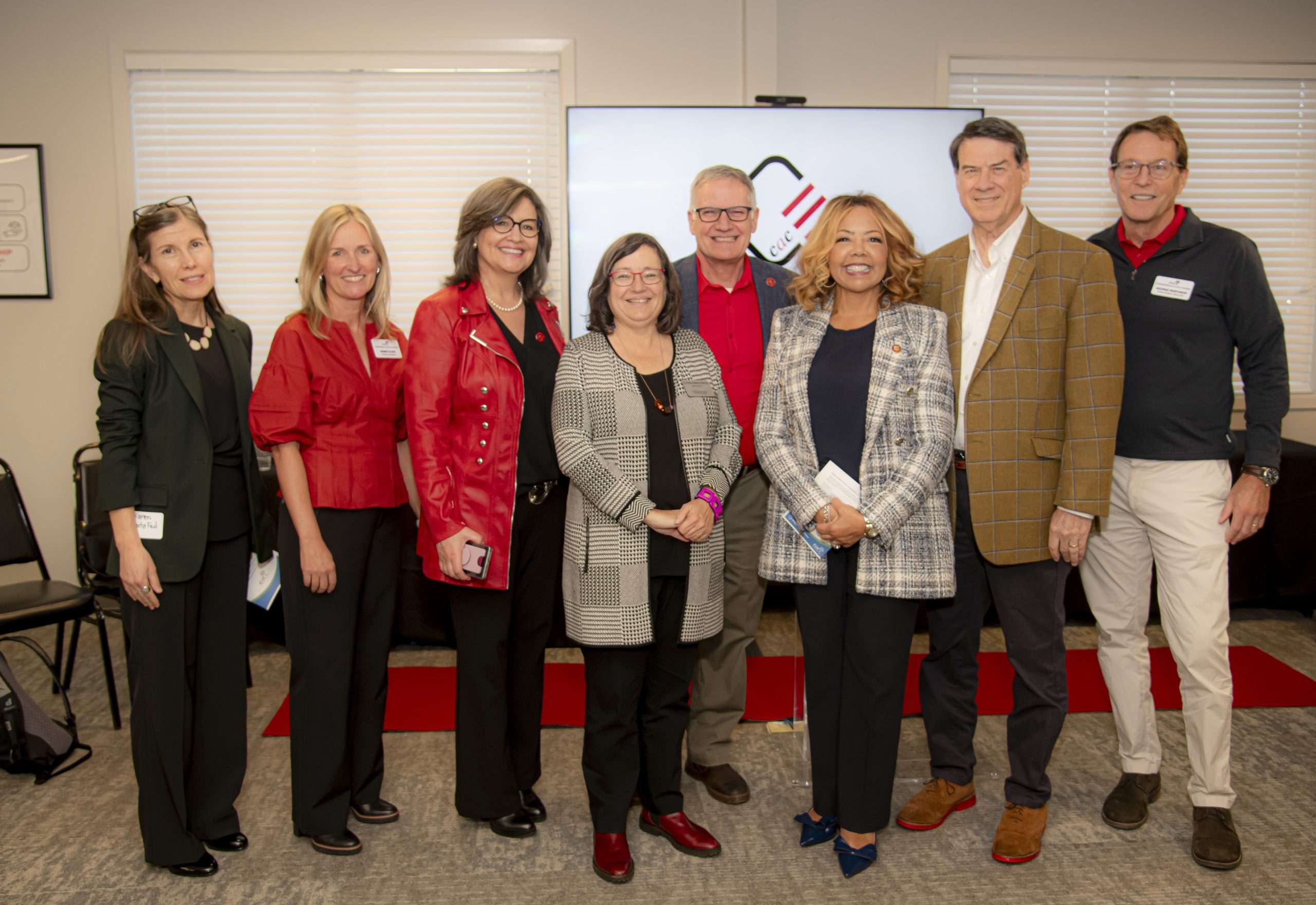
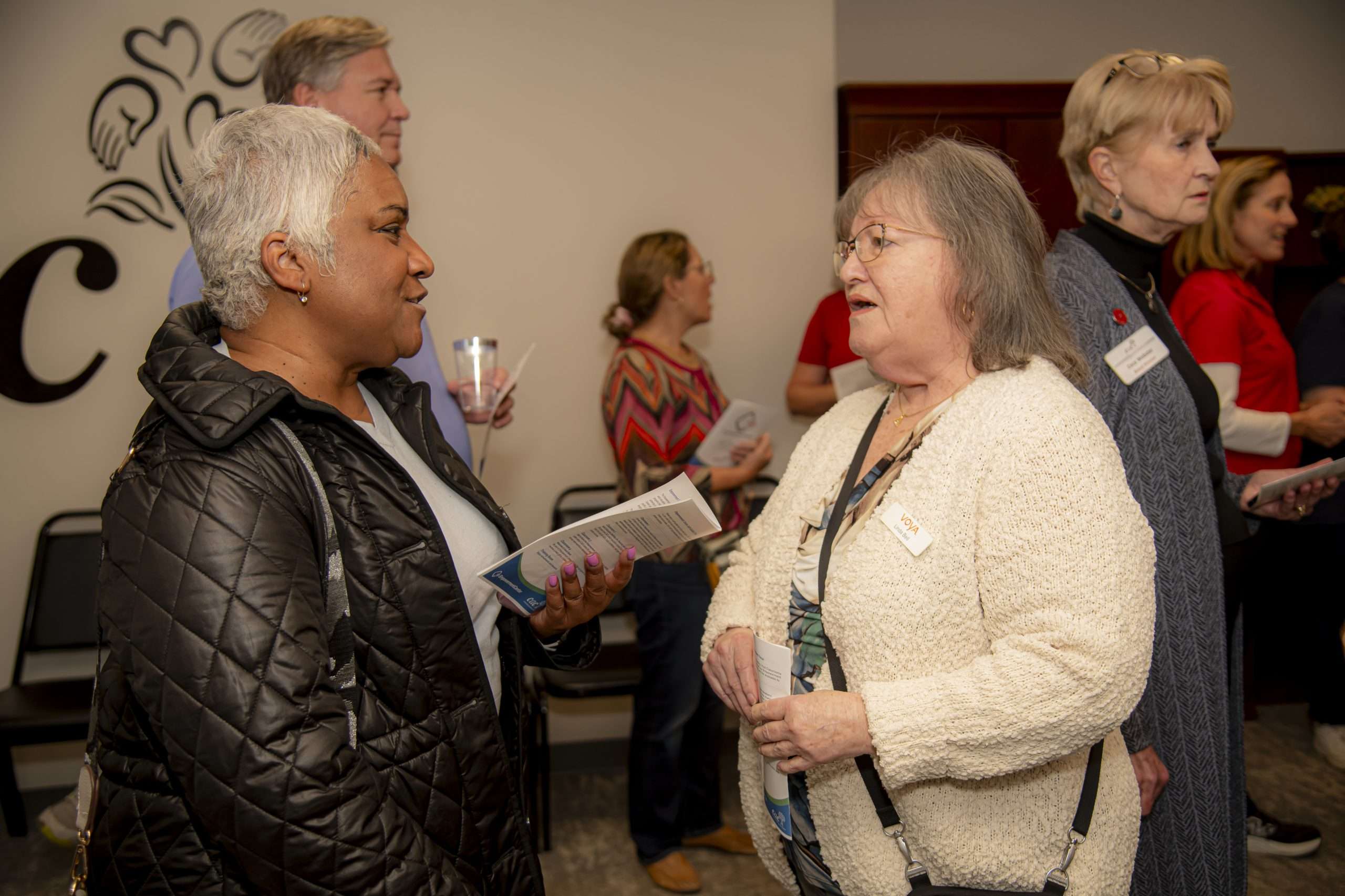
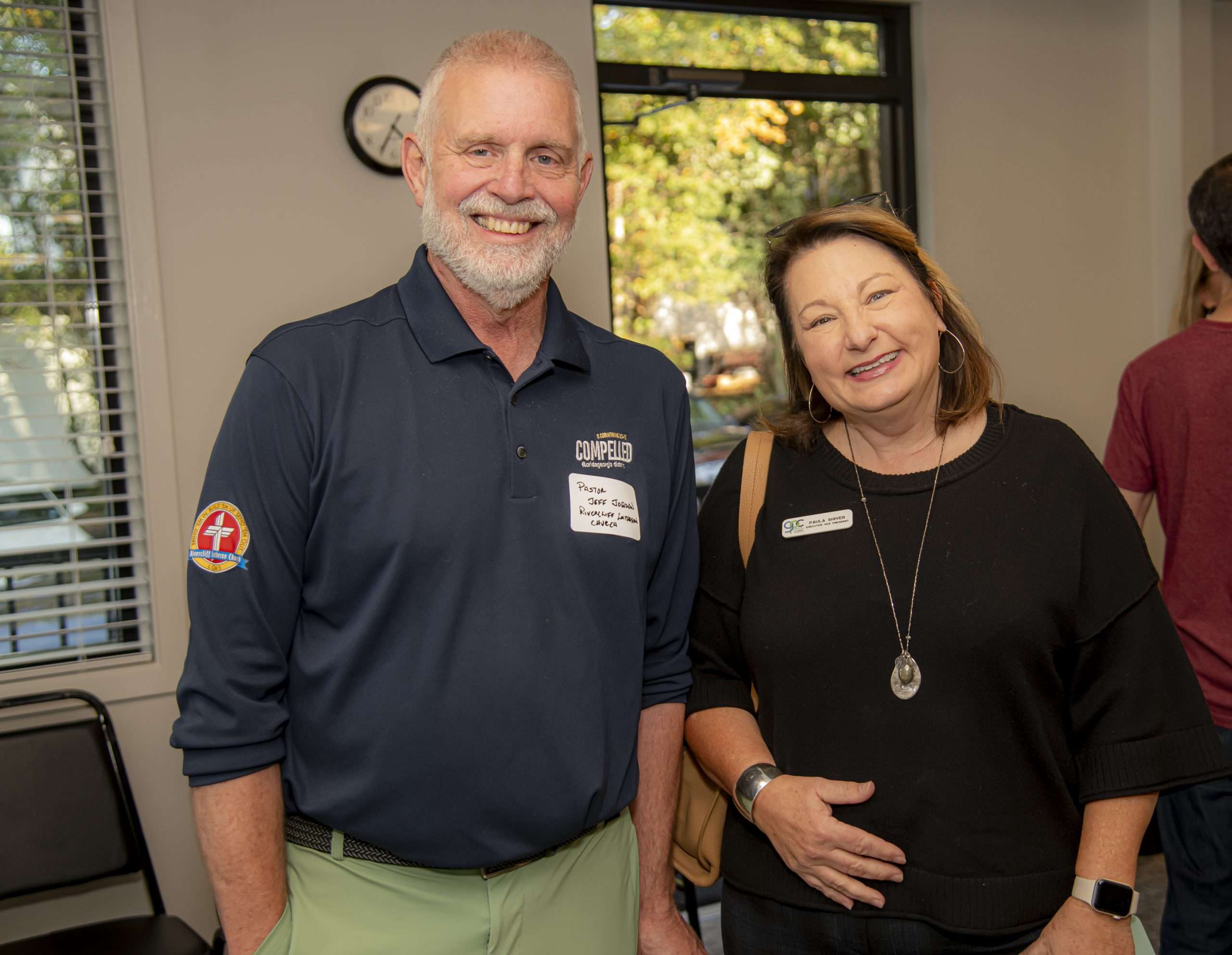
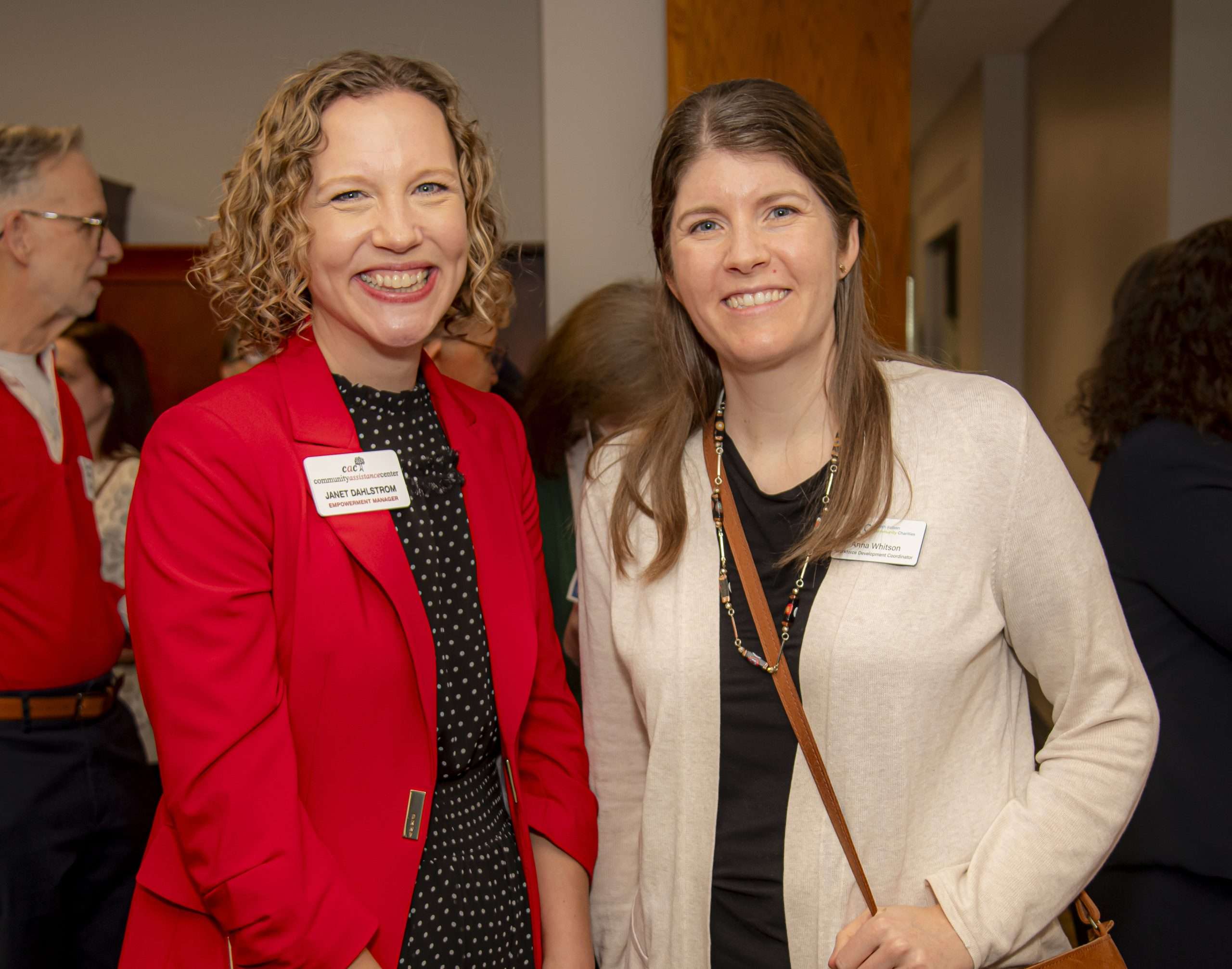
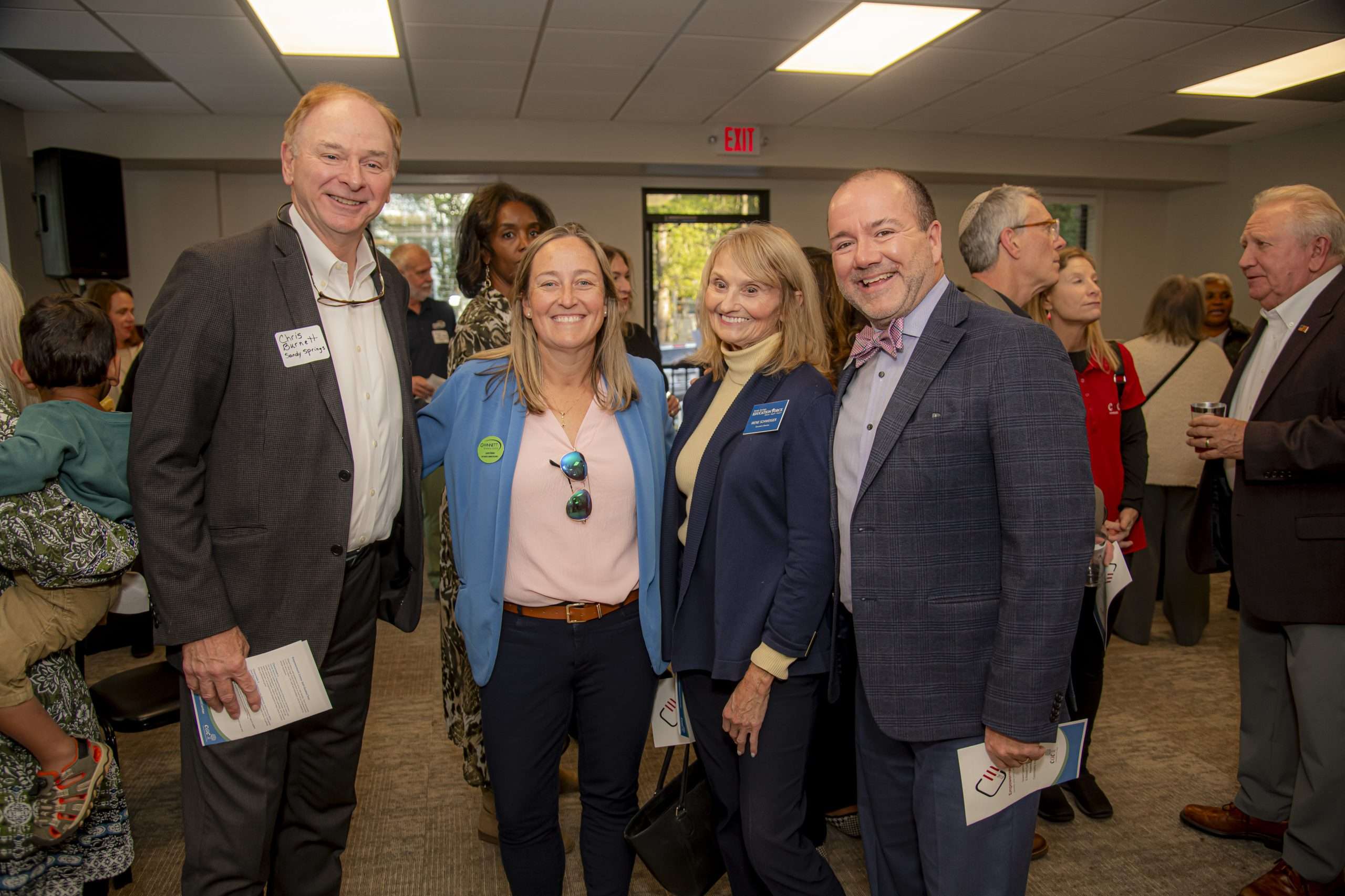
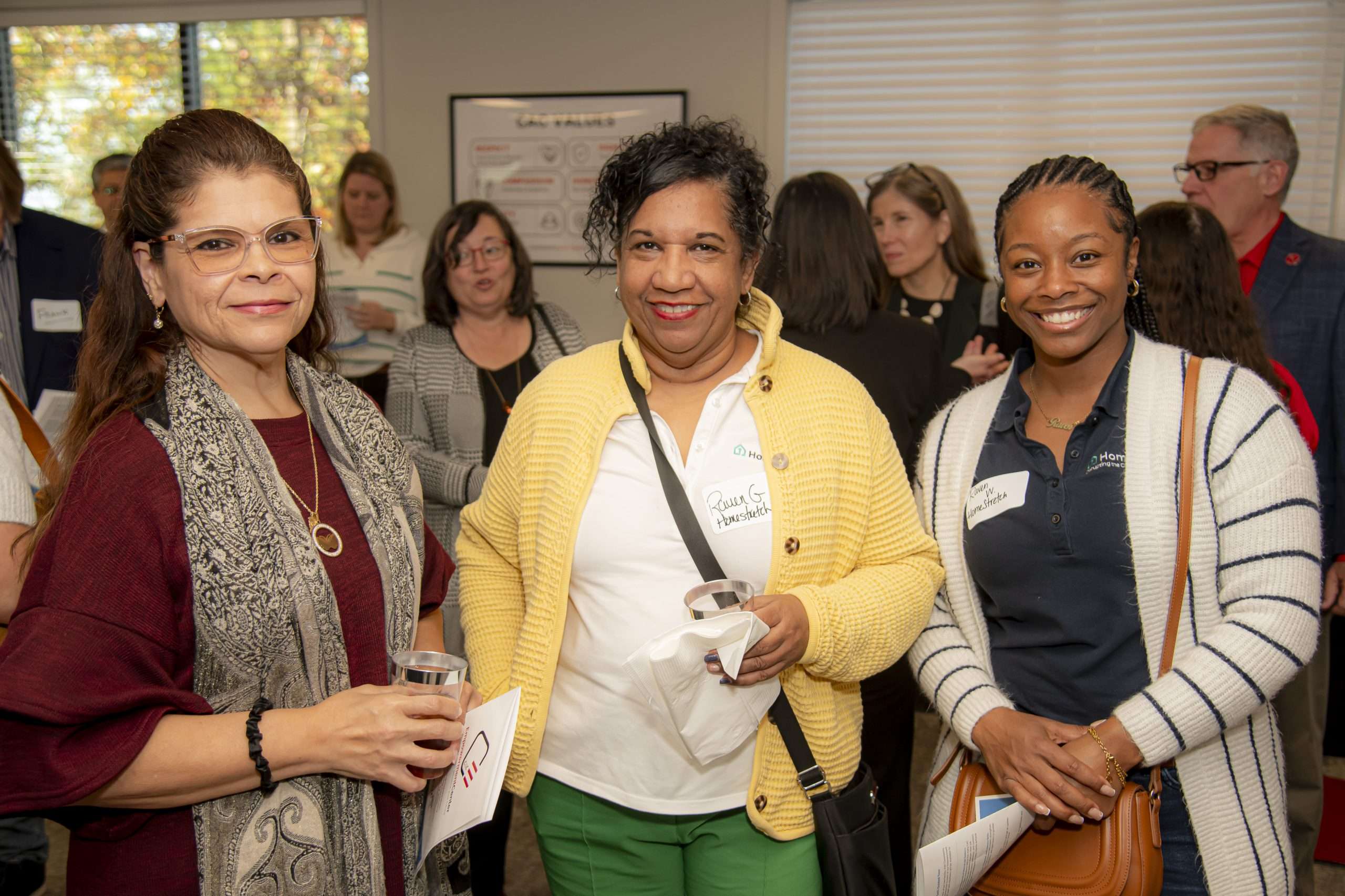
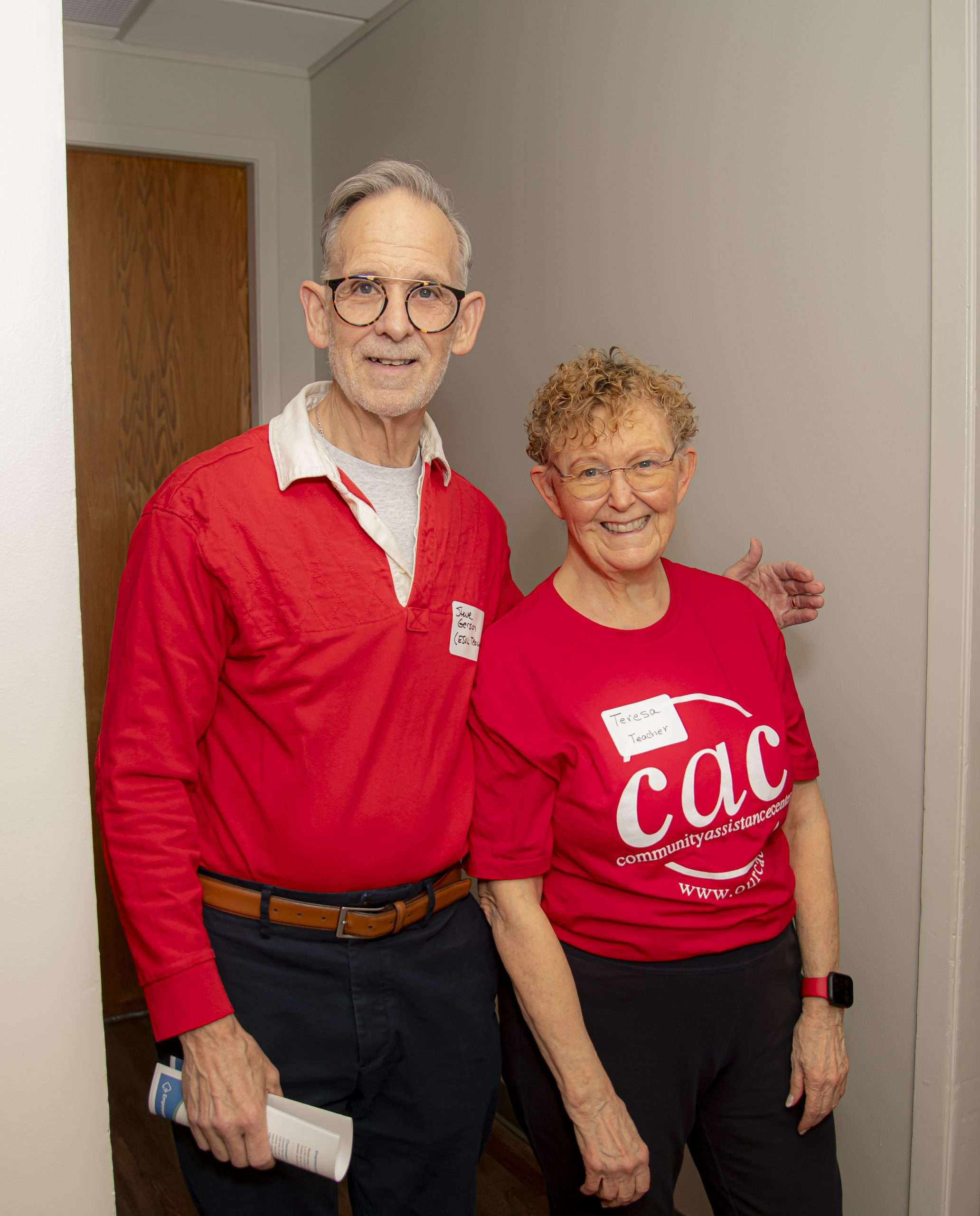
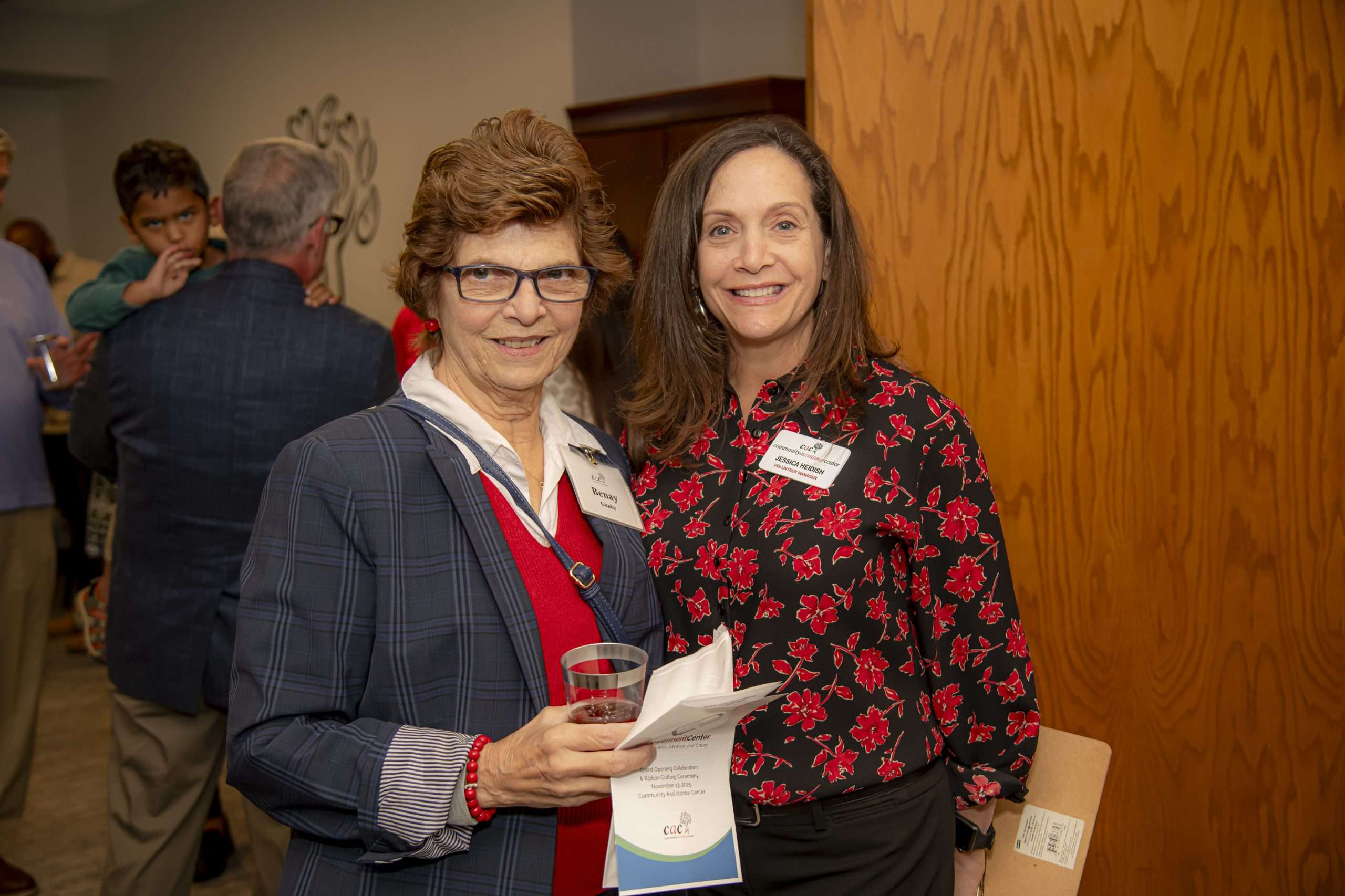
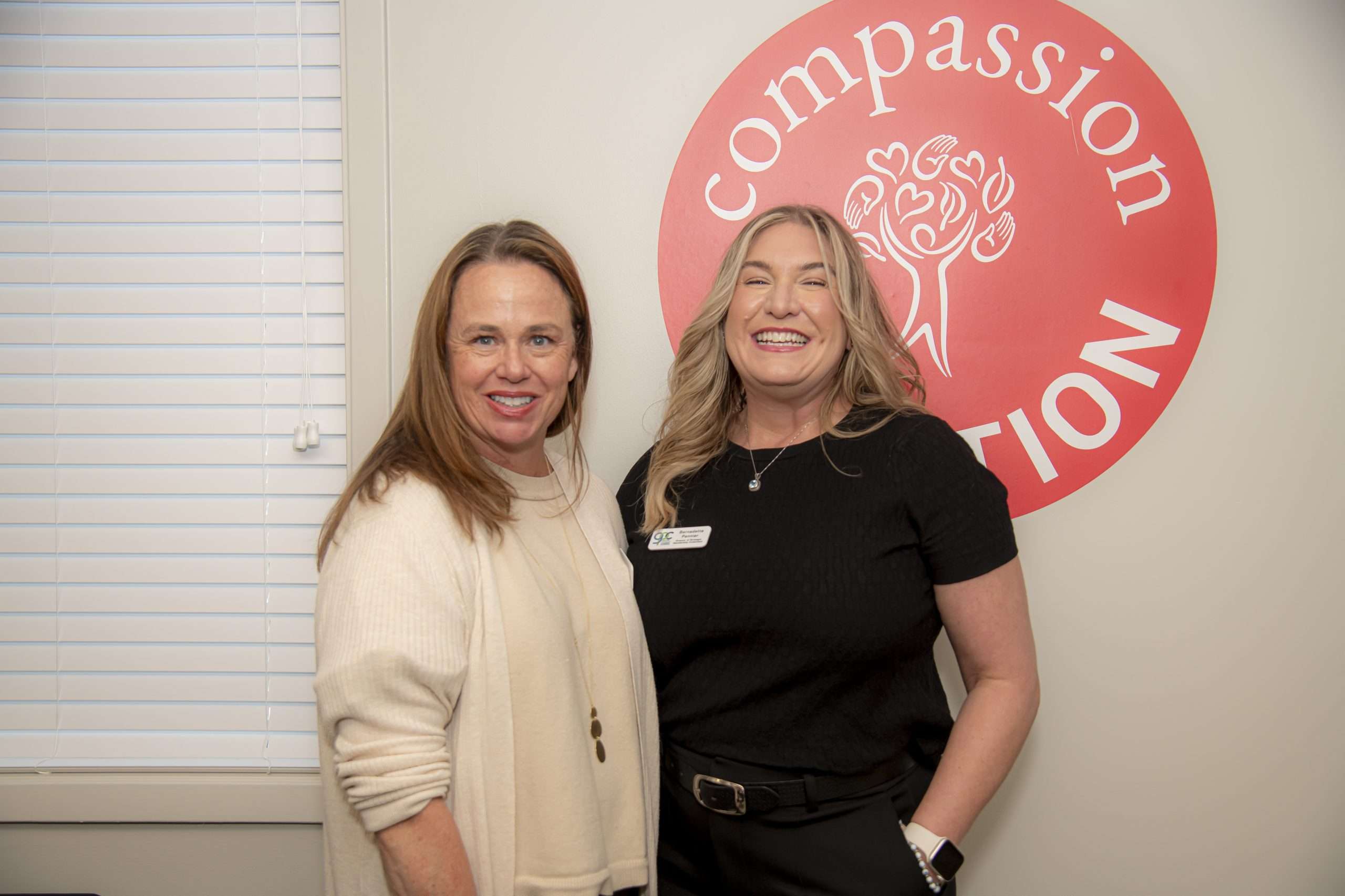
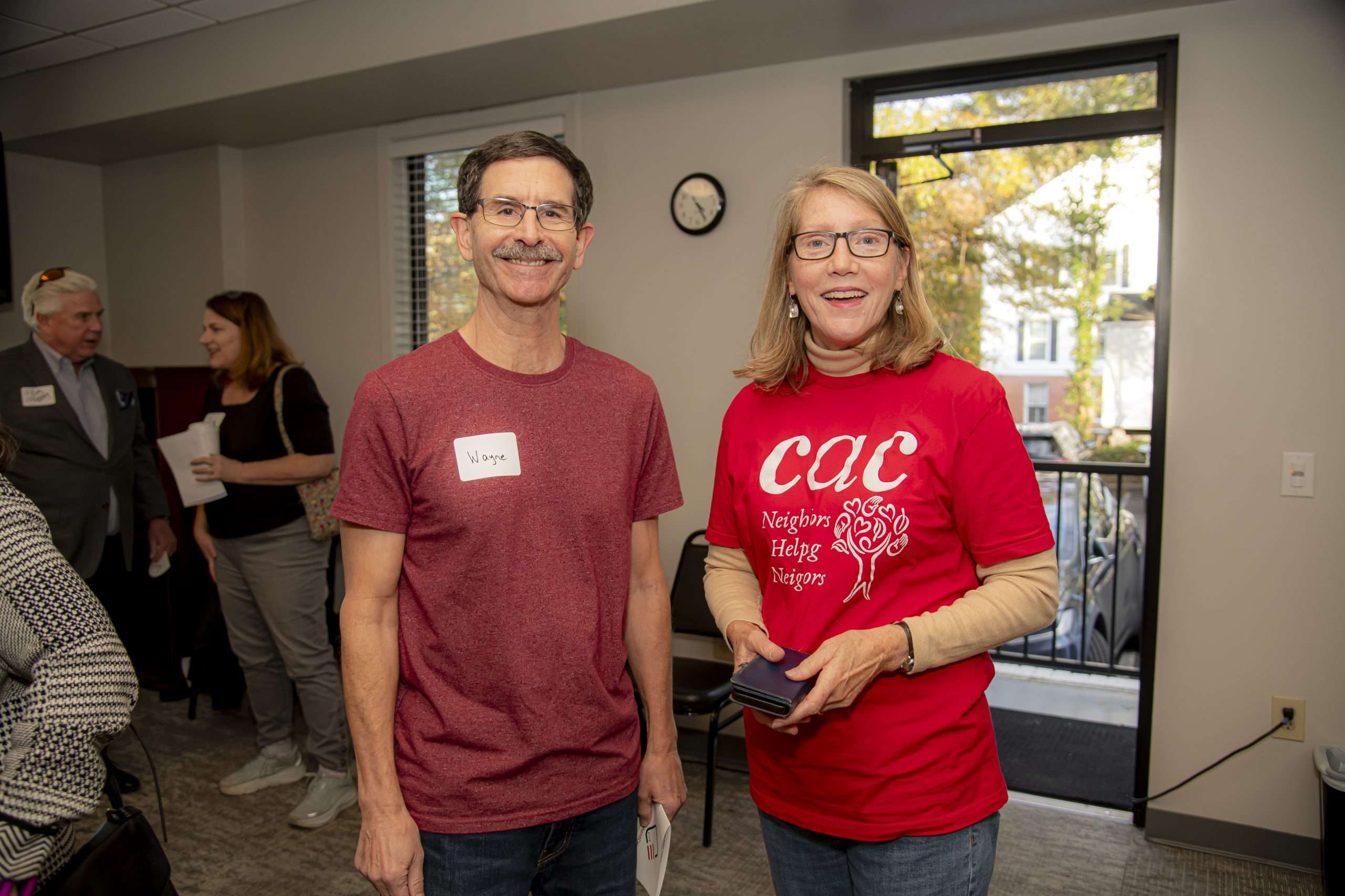
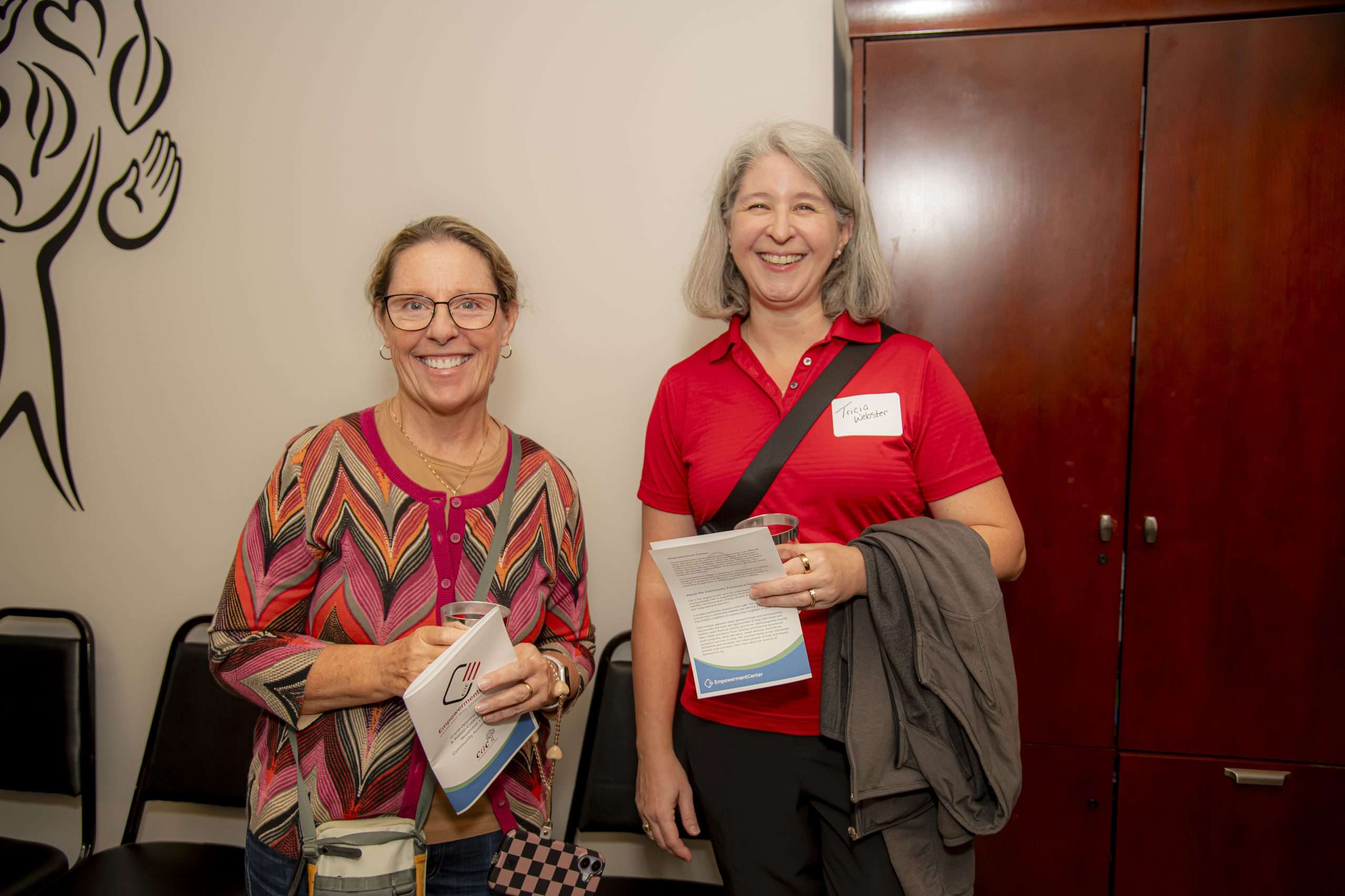
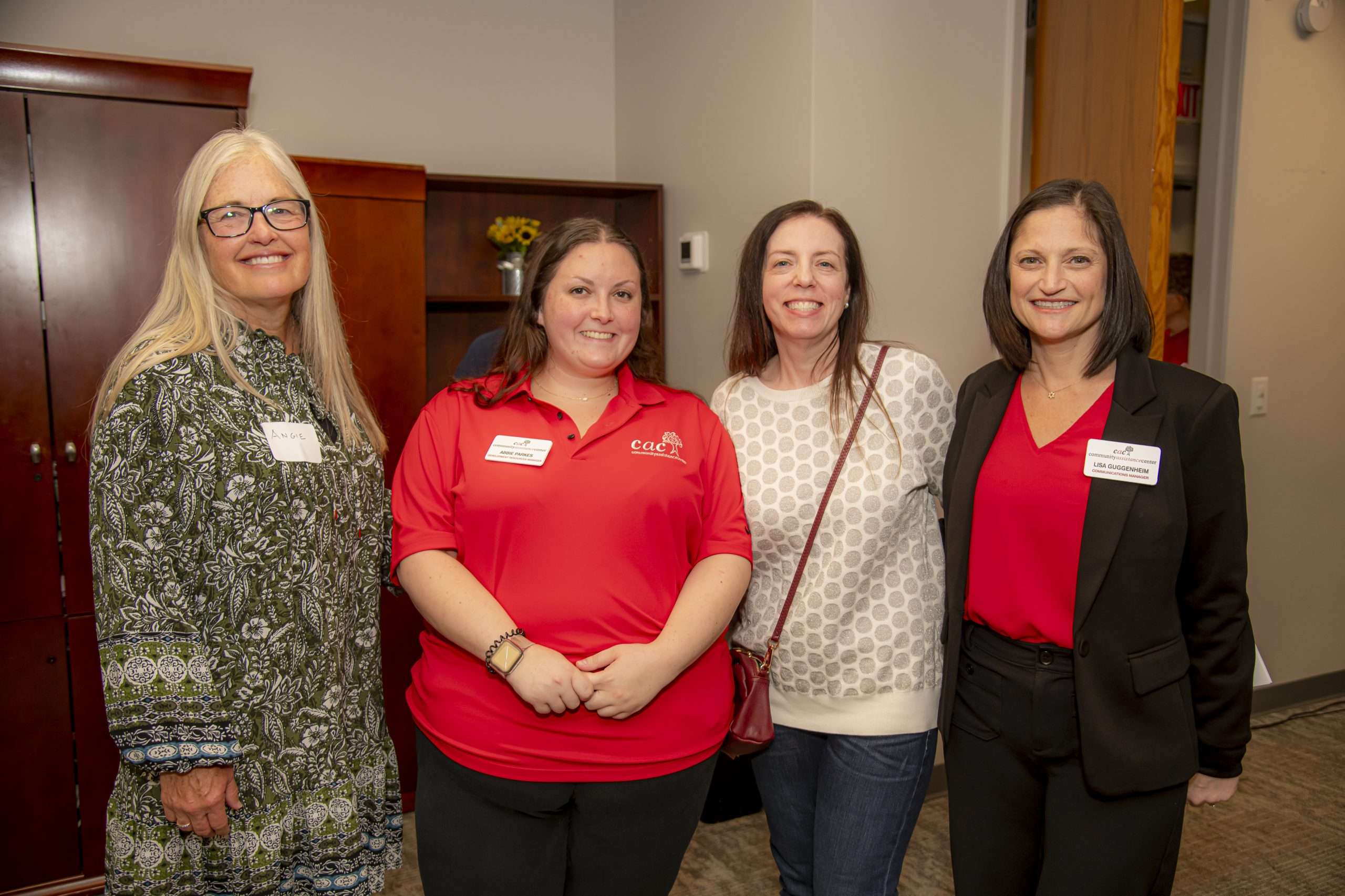
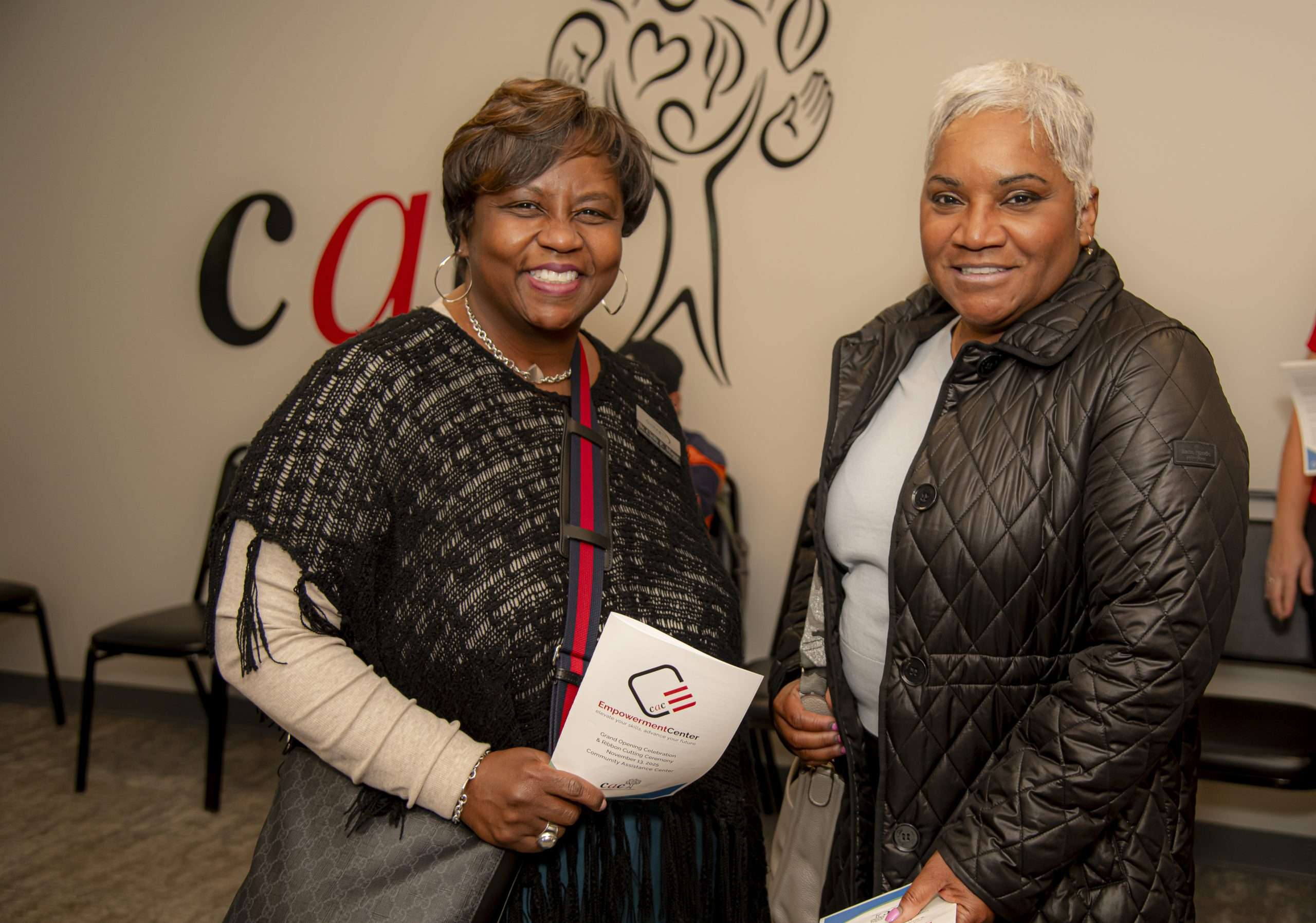
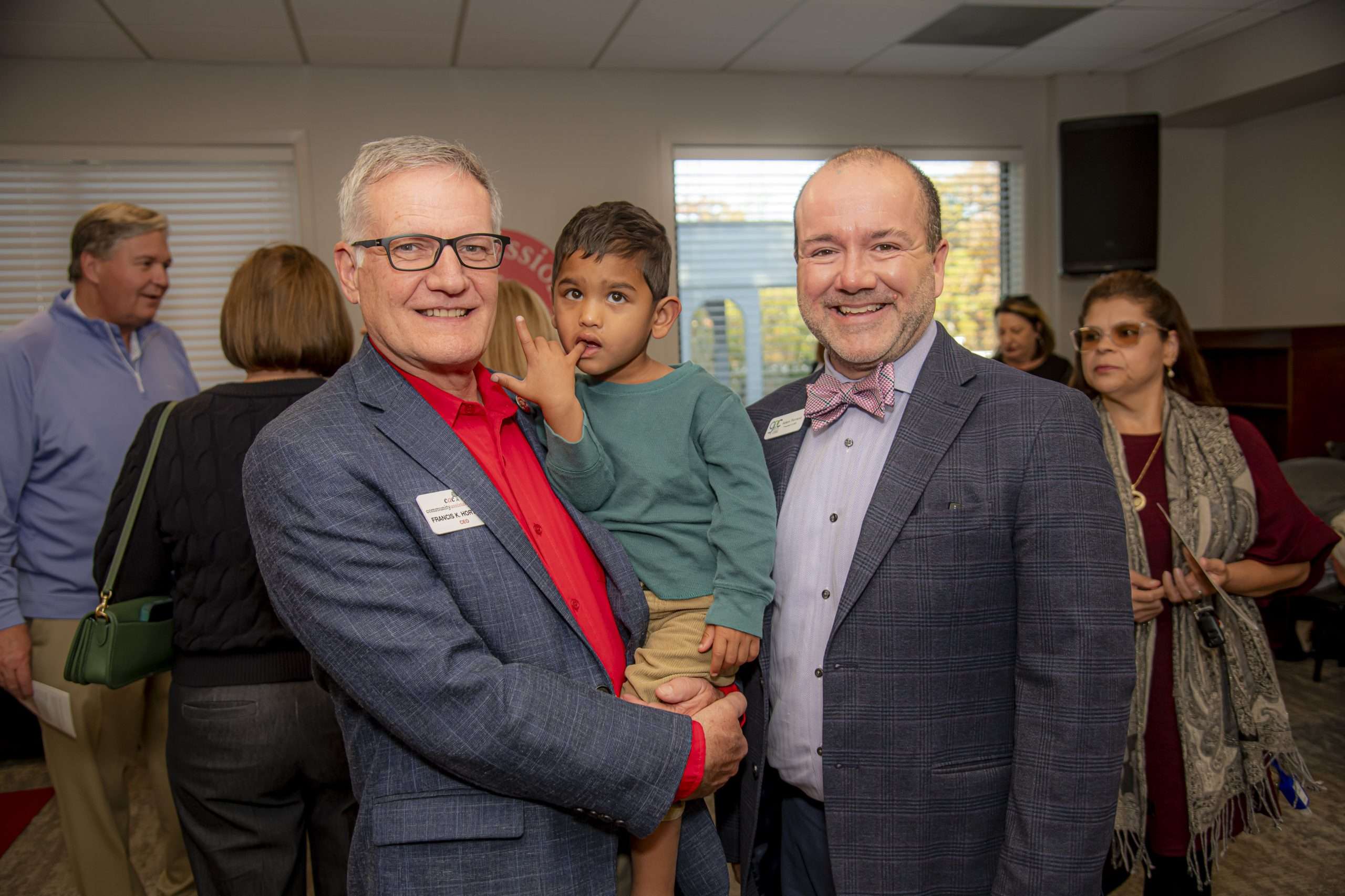
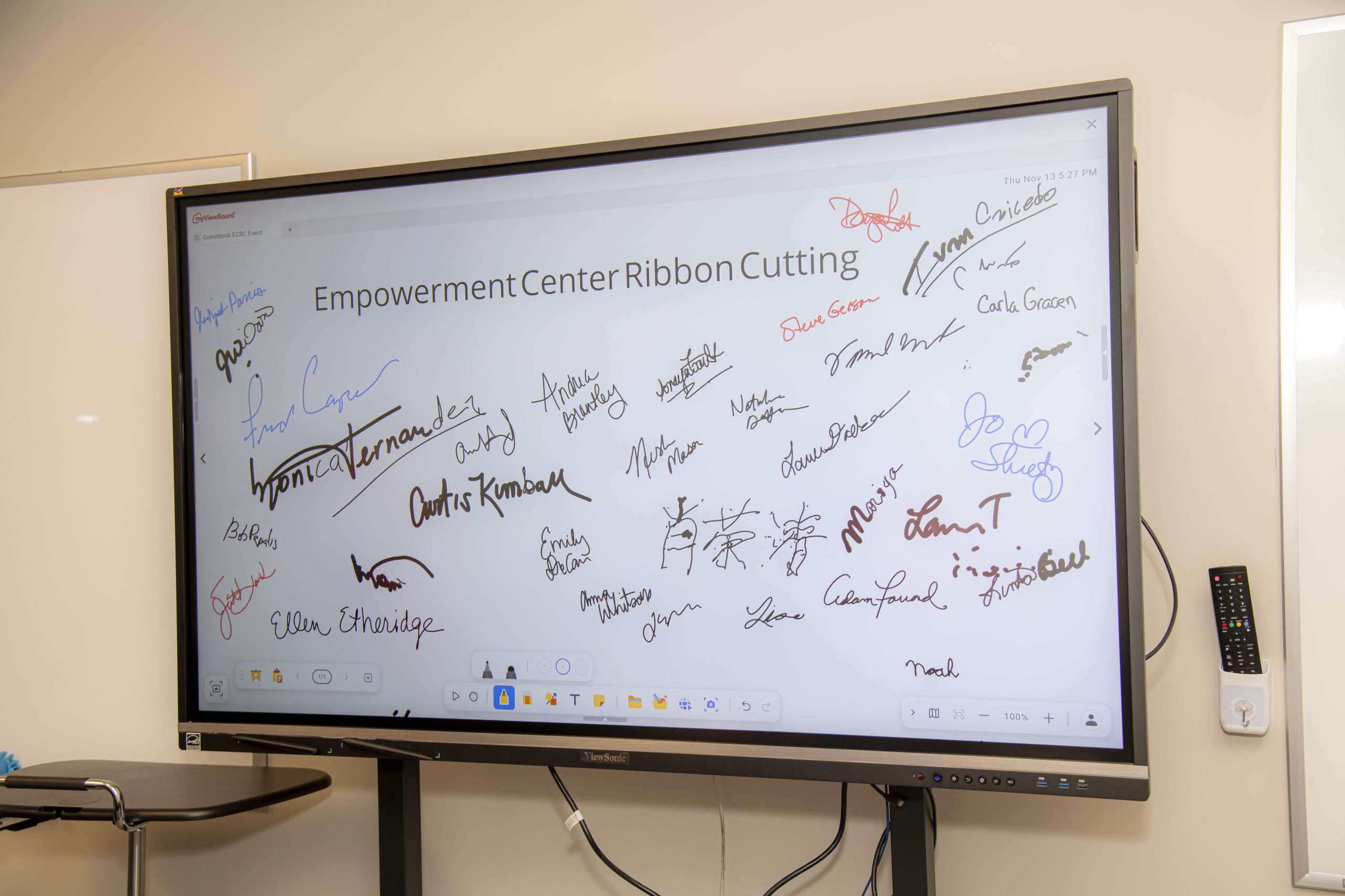
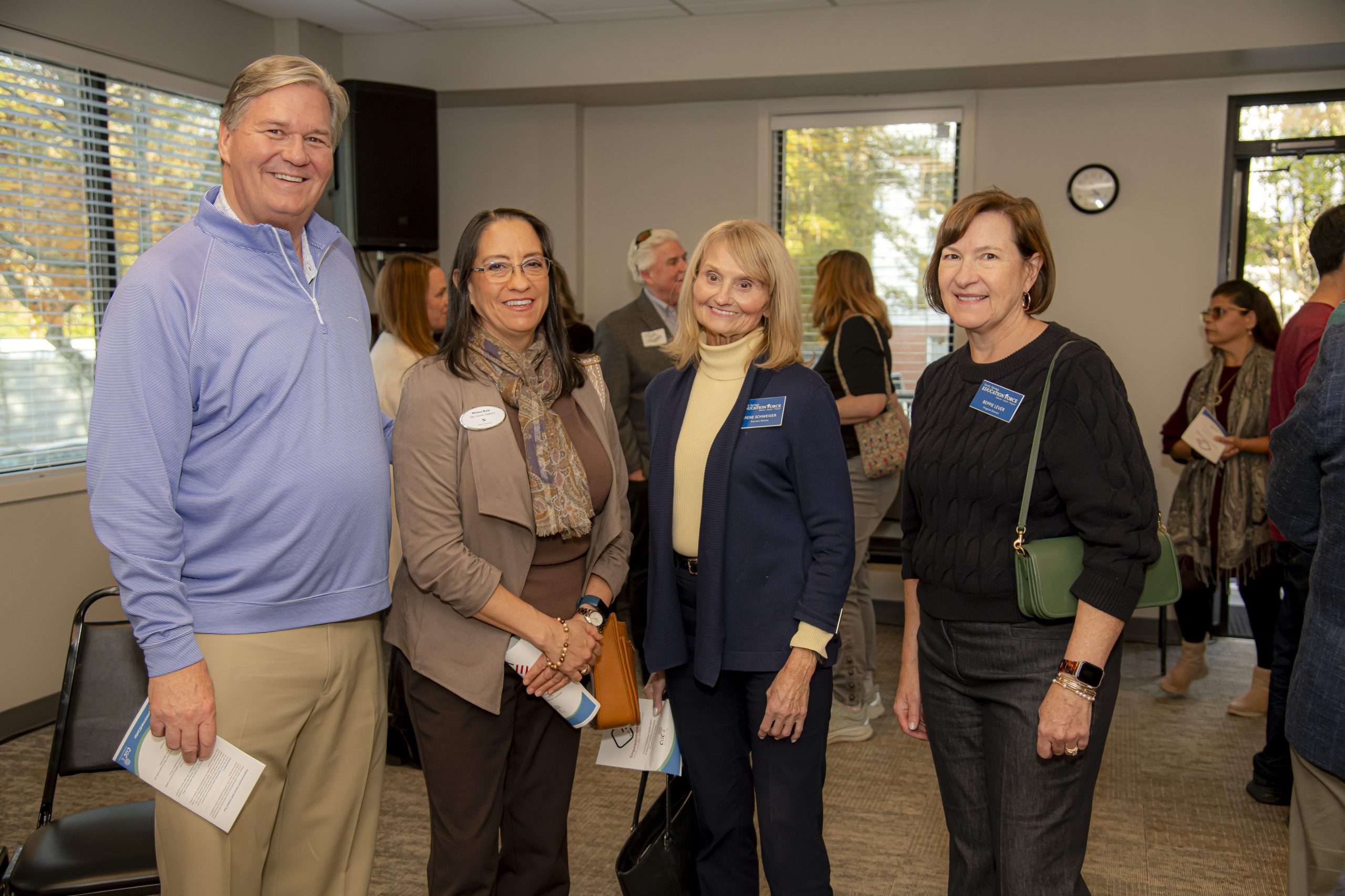
On Thursday, November 13, CAC welcomed local and federal officials and nearly 100 community members to celebrate the Empowerment Center’s grand opening. The event was held at its new state-of-the art space at 1130 Hightower Trail in Sandy Springs. Karen Leone de Nie, Vice President/Community Affairs Officer, Community and Economic Development at the Federal Reserve Bank of Atlanta delivered the keynote address. The celebration also featured a ribbon-cutting ceremony and facility tours.
Distinguished guests included
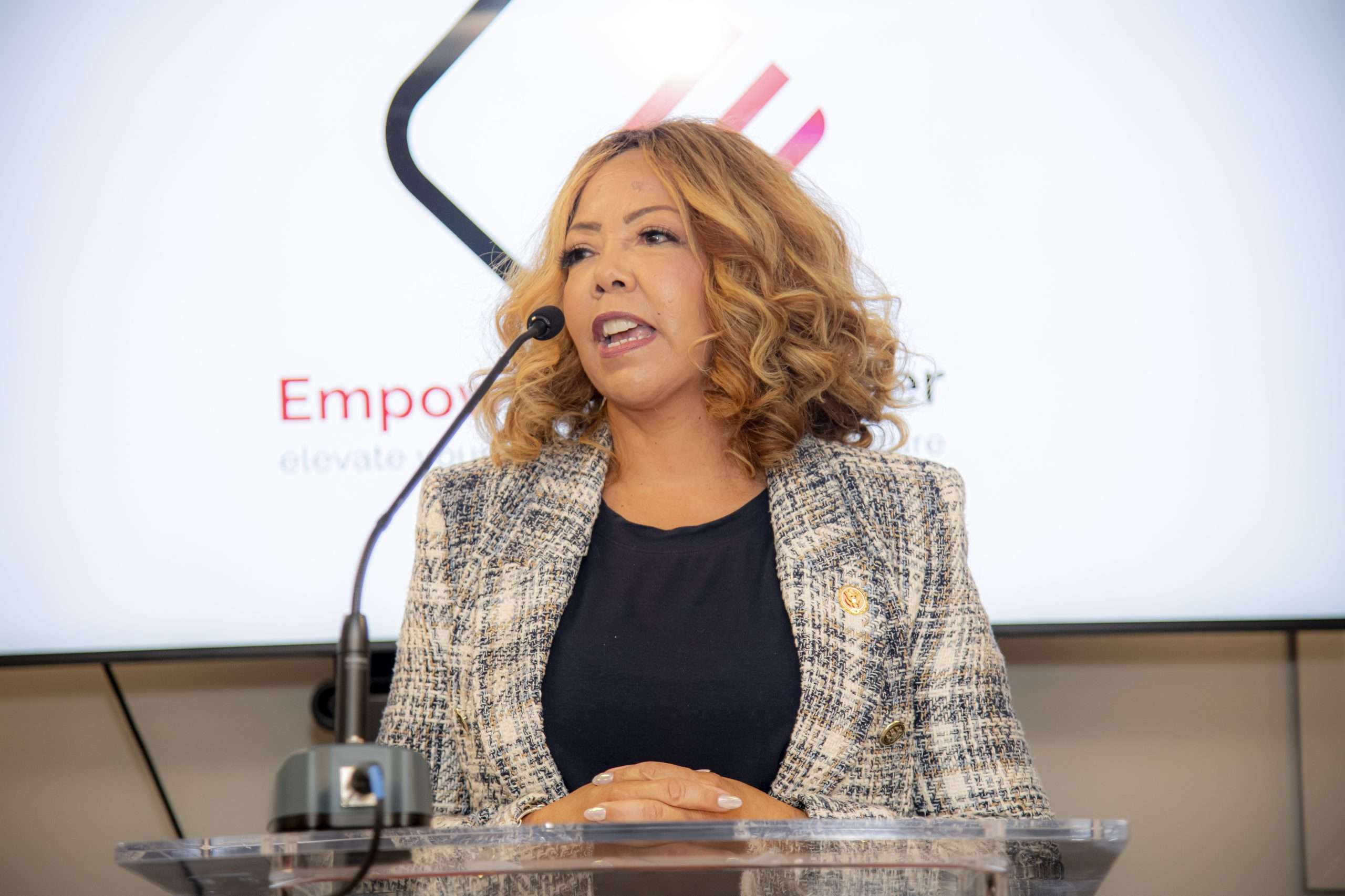
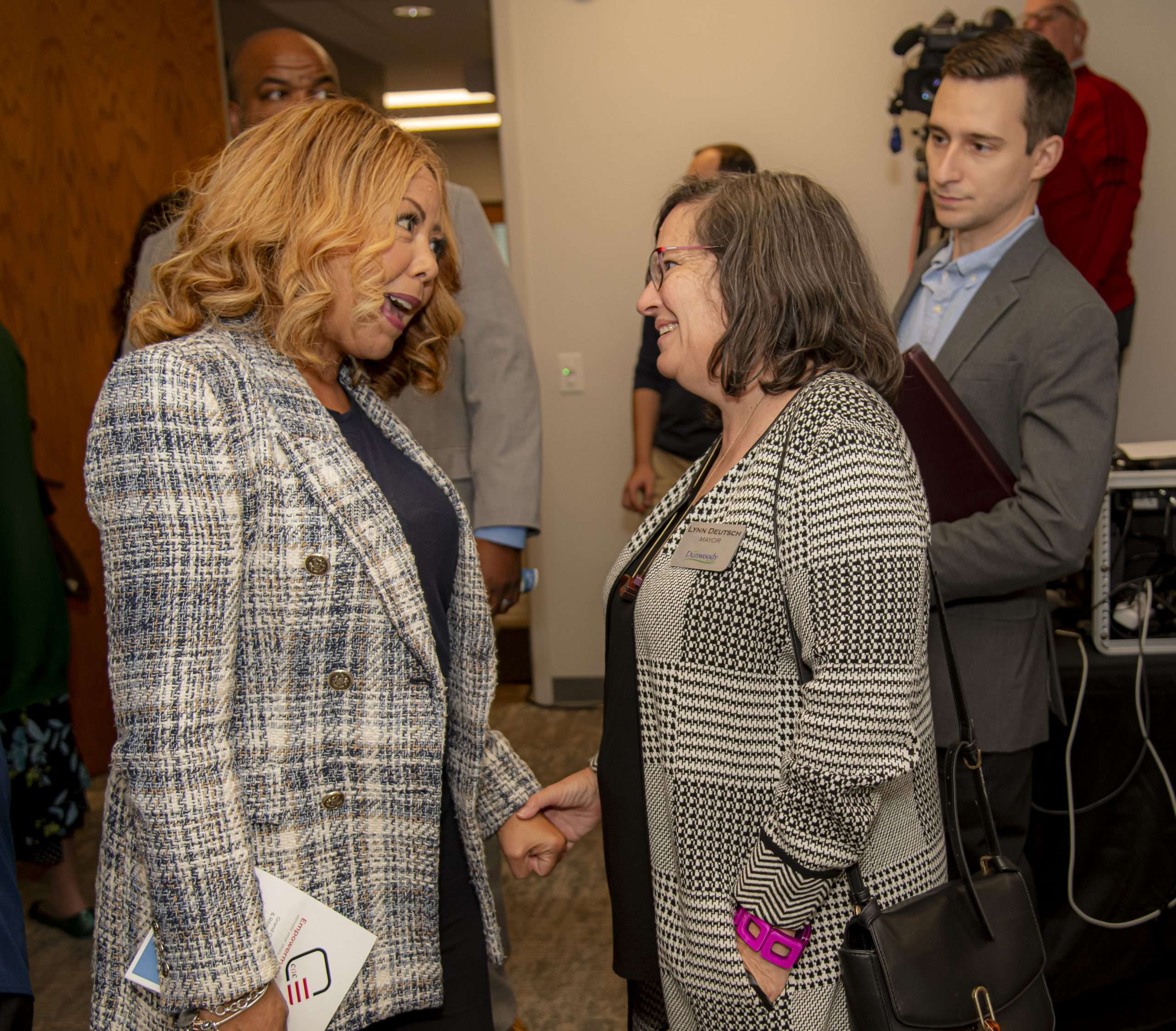
- Lucy McBath, U.S. House of Representatives, GA-6
- Rusty Paul, Mayor, City of Sandy Springs
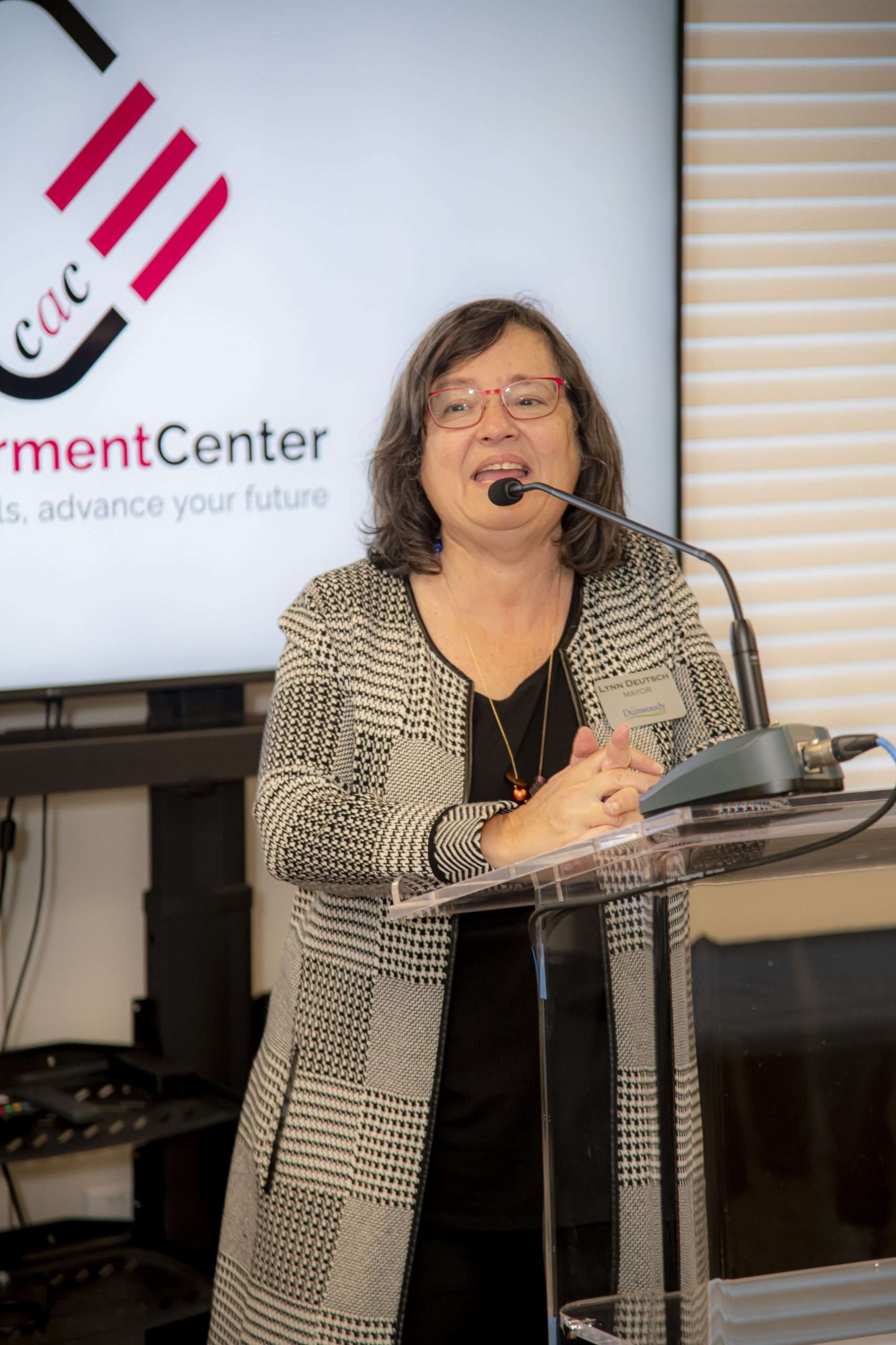
- Lynn Deutsch, Mayor, City of Dunwoody
- John Paulson, Councilman, City of Sandy Springs
- Melissa Mular, Councilwoman, City of Sandy Springs
- Adam Forrand, President and CEO, Greater Perimeter Chamber of Commerce
Introducing Thrive, a New Continuum of Care Workforce Development Program
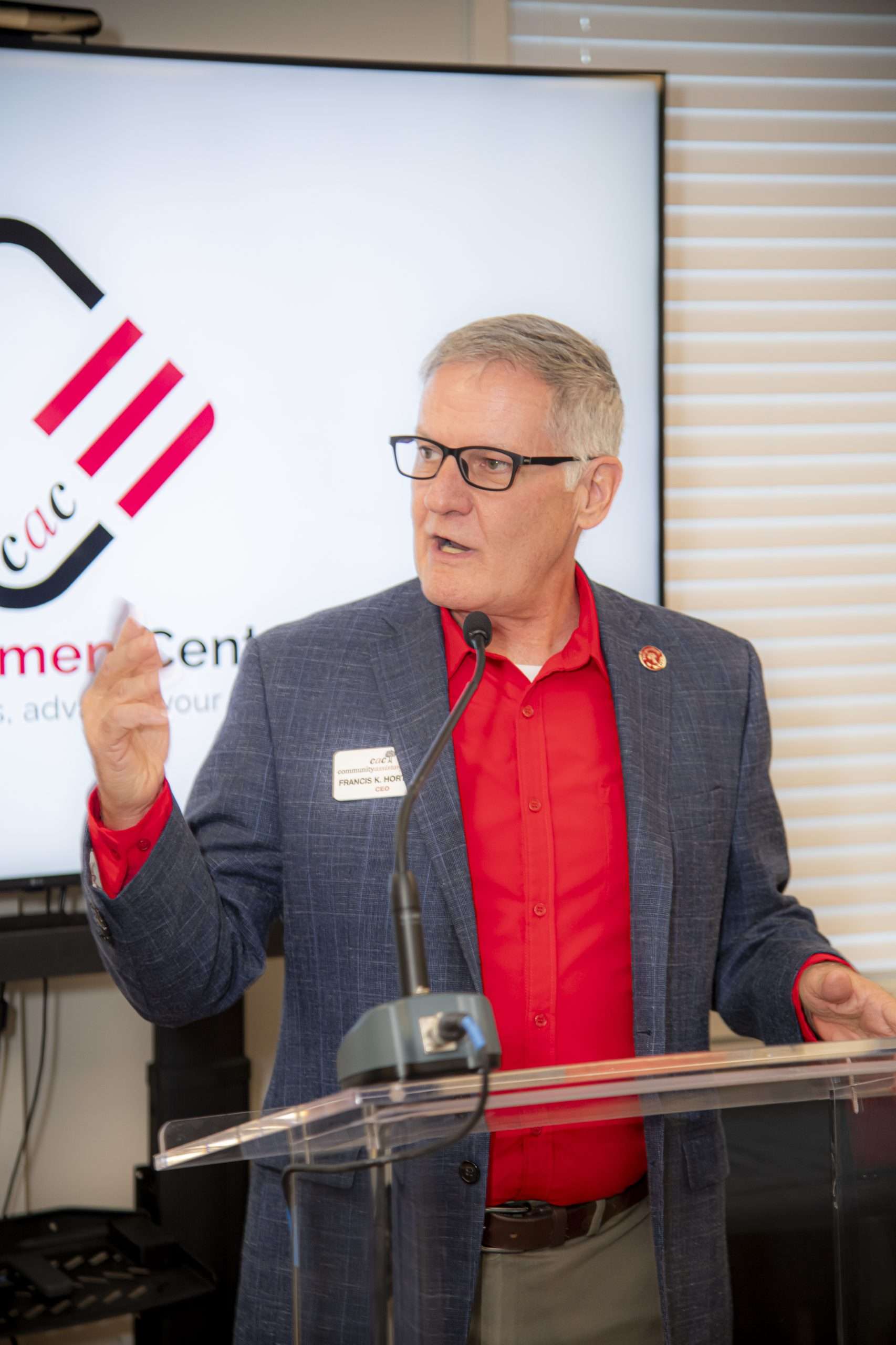
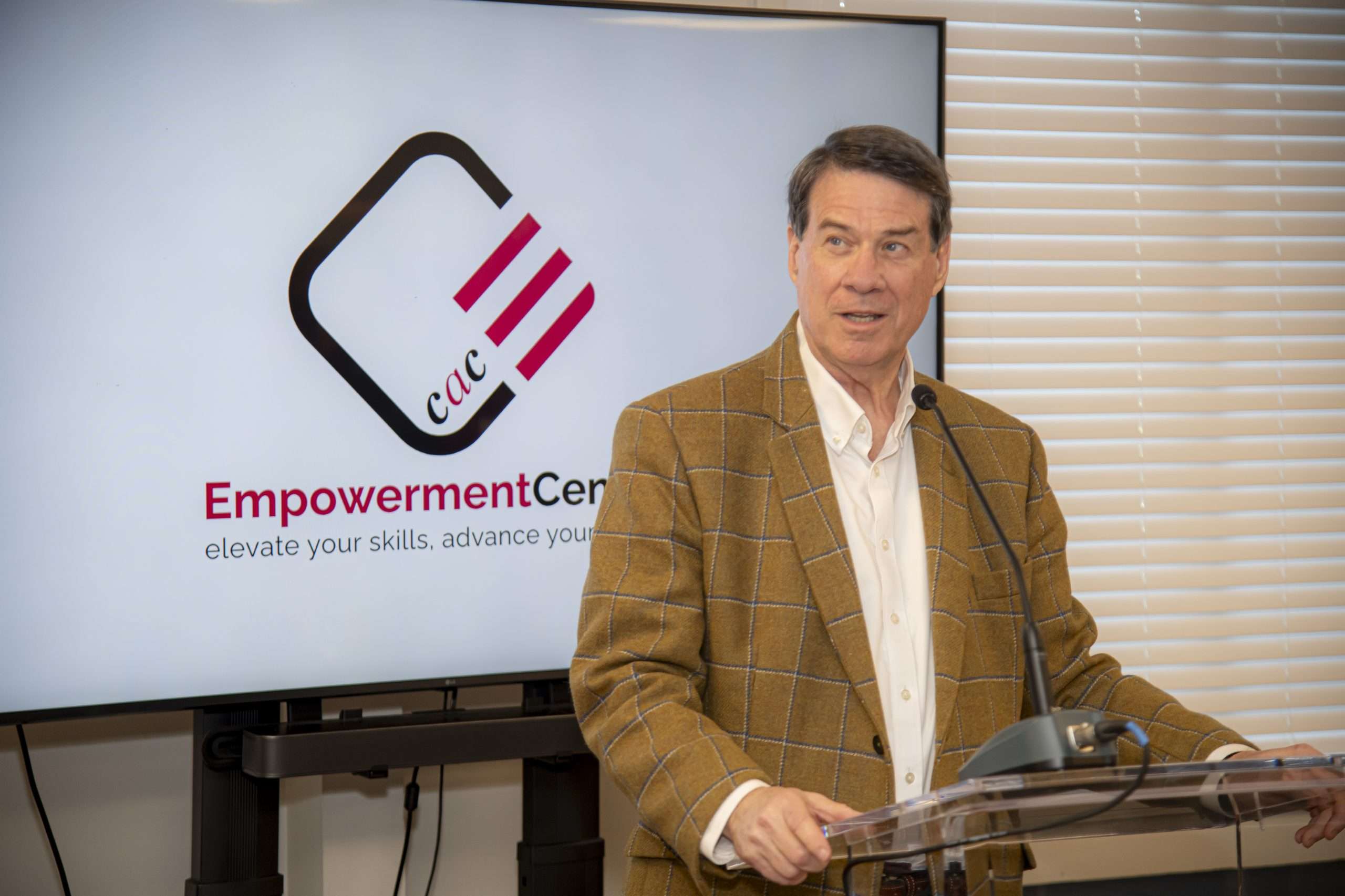
In his opening remarks, CAC CEO Francis K. Horton III shared that in 2024, 77 percent of people who sought CAC services were working at least one job. “They needed to upskill. They needed to reskill. So they could move their families toward financial stability,” said Horton. “The Empowerment Center was created in response to this need.”
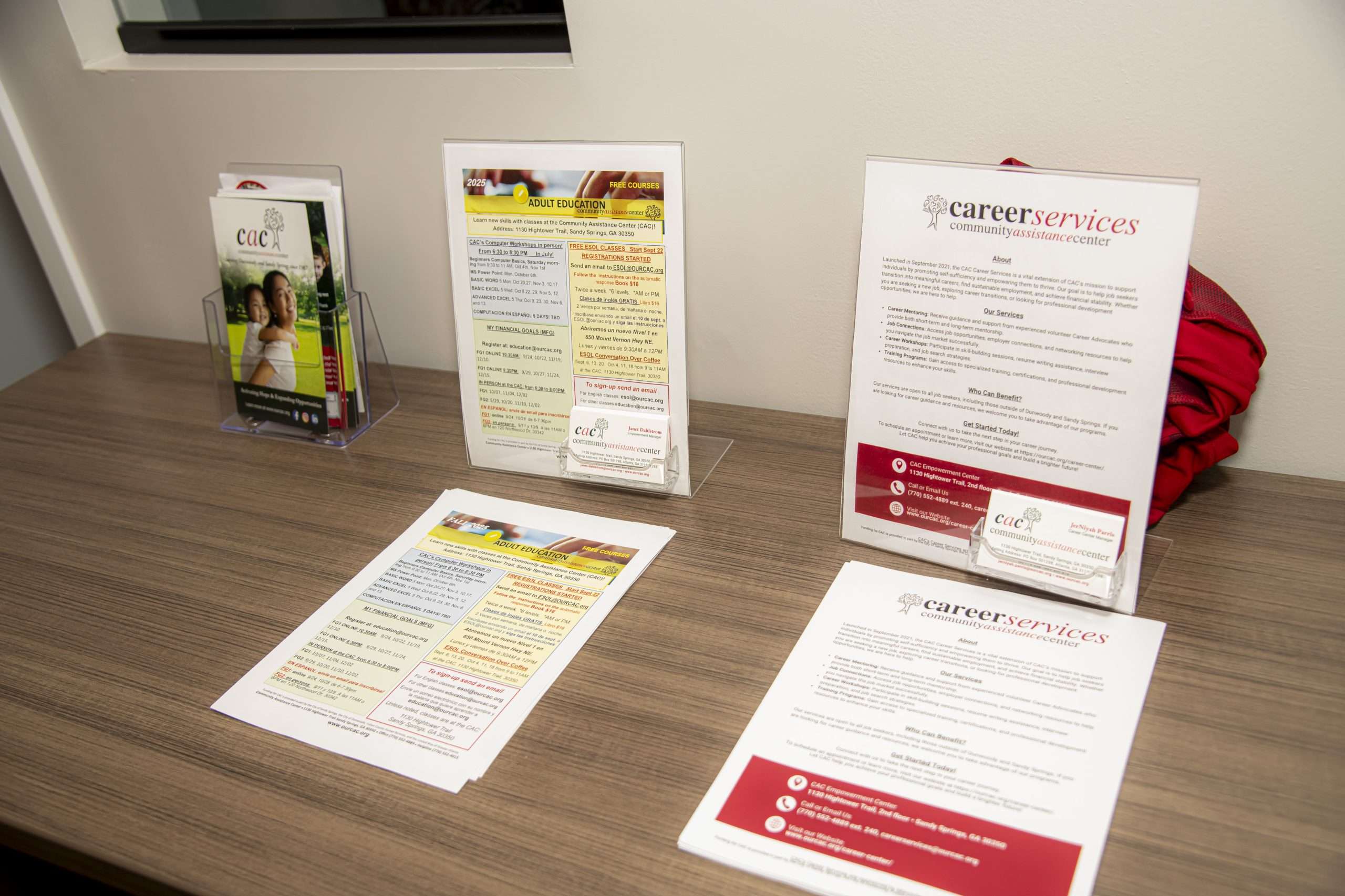
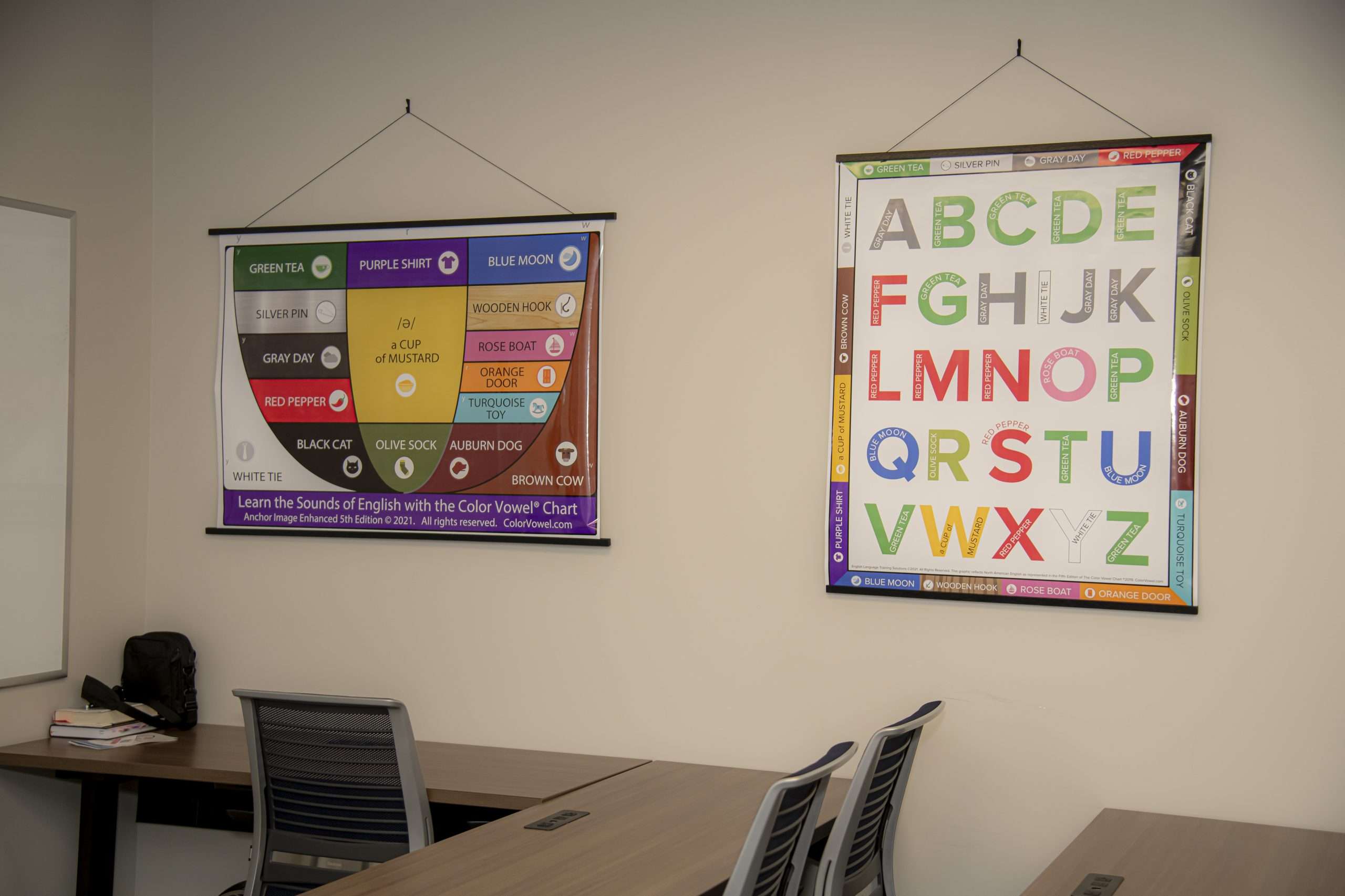
The Empowerment Center offers free courses, including six levels of English as a Second or Other Language, financial management, and computer skills. Career services offered include résumé building, interview preparation, job coaching from experienced career advocates, and job placement assistance.
CAC is also rolling out Thrive, its new workforce development program designed for clients facing financial hardships. Thrive seeks to remove barriers that prevent clients from focusing on the skills needed to secure better-paying jobs that can transform their lives. These barriers vary among program participants and can include childcare, transportation, housing and tuition.
Participants benefit from Thrive’s holistic approach which integrates career training, personalized care management, financial assistance and access to CAC’s full suite of wraparound services.
“Our new Thrive program is an exciting and bold new step for CAC,” says Horton. This program will help facilitate transformational change in families, which means transformational change in our community.” Horton emphasized that transformational change is generational change. “Through this workforce development program, CAC has a significant opportunity to positively impact generations of Sandy Springs and Dunwoody residents,” he shared.
Advancing Economic Mobility and Maximizing Employment
With the opening of the Empowerment Center, CAC is deepening its commitment to helping clients build financial independence and advance their economic mobility. The need for its services is urgent.
“Atlanta ranks dead last out of the 50 largest metropolitan areas in economic mobility,” shared Lucy McBath, United States Representative (GA-6). “In a state that touts its number one status for doing business, we should strive to move Atlanta to the top of the economic mobility list, too.”
Karen Leone de Nie, Vice President/Community Affairs Officer for Community and Economic Development at the Federal Reserve Bank of Atlanta, offered additional insight into the challenges facing Georgia’s workforce. Her team conducts research and builds networks of leaders who support economic opportunities for low- and moderate-income families.
She noted that a recent National Skills Coalition study found that 90 percent of Georgia jobs across all industries require digital skills, yet one-third of workers lack the foundational digital literacy needed to be successful.
“Addressing the skills gap benefits everyone,” said Leone de Nie. “Programs like CAC’s Empowerment Center can bridge that gap and better meet evolving employment needs.”
Leone de Nie emphasized that the labor market represents a relationship between employers and jobseekers—but not a simple one. “It requires connectors like CAC to bridge the distance between employers’ needs and workers’ goals, especially as workforce needs evolve.”
In discussing solutions to achieving maximum employment in communities, Leone de Nie highlighted her team’s focus on the “three Cs”—community, capital, and careers. “When communities collaborate and capital targets effective solutions, career pathways become more accessible to more people,” she said.
The Empowerment Center aligns community partnerships, targeted resources, and career support, putting the three Cs framework into action.
|
 Locations & Hours